
UK Braced for Significant Snowstorm Bringing Potential White Christmas

UK Startup Blog Archive
Table of Contents
Is the UK Really Expecting a White Christmas in 2025?
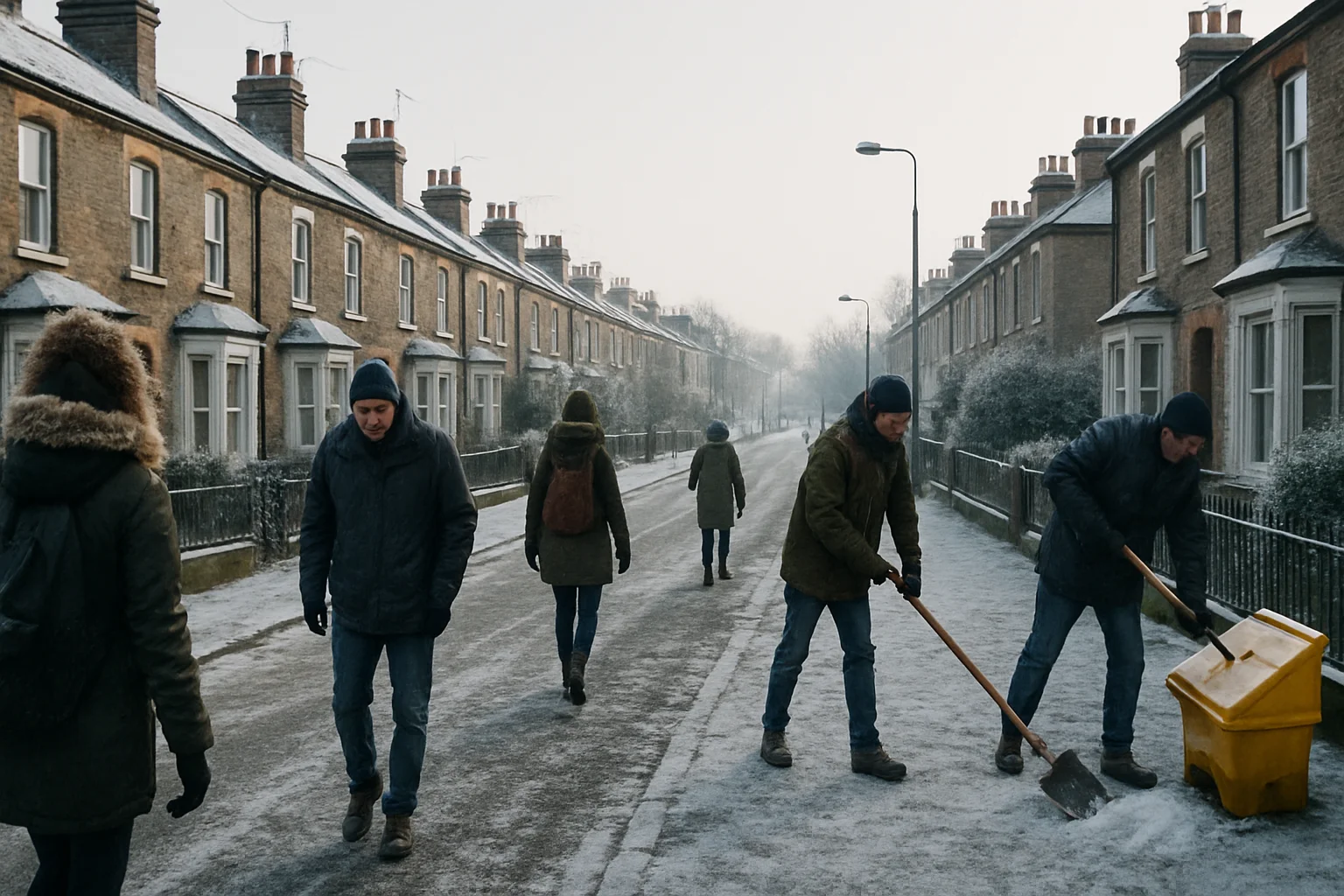
Could the UK finally be on track for a true white Christmas? Weather forecasts from the Met Office and other meteorological experts indicate that the country is preparing for a significant snowstorm, with cold fronts moving in from the Arctic just days before Christmas.
With plunging temperatures and widespread warnings already in place, the conditions appear favourable for snowfall that may blanket many parts of the UK during the festive period.
This anticipated snowstorm is not only sparking excitement for a picturesque Christmas but also raising concerns over travel disruption, infrastructure resilience, and the broader economic impact of an early winter blast.
December Snowstorm Forecast: What to Expect Across the UK?
The latest meteorological models suggest a surge of Arctic air is likely to push south across the British Isles starting mid-December. This cold front is forecast to interact with moist Atlantic systems, leading to widespread snowfall.
Key forecast highlights include:
- A snowstorm developing from the north and moving southwards
- Expected to hit between 18th and 24th December 2025
- Scotland, Northern England, and the Midlands most likely to see heavy snowfall
Experts suggest that while southern areas may initially experience sleet or rain, falling temperatures could soon turn it into snow as the storm progresses.
Cold Weather Alerts and Met Office Warnings

The Met Office has already issued several yellow and amber weather warnings, citing risks of icy conditions, significant snow accumulation, and reduced visibility. Public Health England is also urging residents to be prepared for a sharp drop in temperatures and potential health risks for vulnerable groups.
Historically, the UK has experienced notable snow events around this time, including the severe 2010 winter storm, which brought widespread chaos during the festive season. Forecasts this year are drawing comparisons to those conditions.
Potential Travel Disruptions from Snow and Ice
Severe weather events such as this snowstorm are known to cause widespread travel delays, particularly around the holiday season when millions travel across the UK.
Possible impacts include:
- Cancellations and delays across National Rail services
- Hazardous driving conditions on motorways and rural roads
- Disruption to airports, especially in Manchester, Heathrow, and Edinburgh
- Local bus and tram service interruptions
Motorists are being advised to check travel conditions before heading out, keep emergency kits in their vehicles, and avoid non-essential journeys where possible.
How the Snowstorm Could Create a White Christmas?
A “white Christmas” is officially defined by the Met Office as at least one snowflake observed falling in the 24 hours of 25th December somewhere in the UK. Based on current data, this year’s snowstorm may meet or exceed that definition.
Historical White Christmases in the UK
| Year | Location(s) with Snowfall | Type of Snow |
| 2010 | Most of UK | Heavy Snow |
| 2009 | Parts of Scotland and North | Light Snow |
| 2004 | London, Wales | Sleet/Snow |
| 2021 | Northern Scotland | Snow Flurries |
2025 could join the list, especially if forecasts hold true and cold air remains in place through Christmas Eve into Christmas Day.
Preparing for the Winter Weather in the UK
With severe conditions possible, both individuals and local councils are gearing up to mitigate the impact of the incoming snowstorm.
UK residents are advised to:
- Insulate water pipes and protect boilers
- Keep supplies of essentials like food, water, and medicine
- Prepare emergency heating and lighting options
- Clear paths and check on vulnerable neighbours
Local councils are preparing gritters, snow ploughs, and emergency response teams to manage the snow accumulation and minimise disruption.
Impact on Local Economy and Retail During the Holidays
While the festive season typically boosts the UK economy through retail sales and hospitality, severe winter weather often hinders spending patterns and logistics.
Economic implications include:
- Delivery delays for online purchases
- Reduced footfall in high streets and shopping centres
- Increased heating and energy costs
- Supply chain disruptions affecting food and drink availability
Retailers and logistics companies are ramping up contingency plans to cope with the increased demand and potential delivery blockages caused by adverse weather.
Will Climate Change Make Snowstorms More Frequent in the UK?

The question of how climate change affects snowstorms remains complex. While overall winters in the UK are becoming milder, extreme weather patterns like sudden cold snaps and snowstorms can become more erratic and intense.
Meteorologists point to phenomena like Sudden Stratospheric Warming (SSW) and Arctic amplification as drivers of these events. These cause the polar vortex to weaken, allowing frigid air to spill south into mid-latitude regions like the UK.
So, while snow may become rarer overall, the chances of short, sharp snow event, like the one forecasted this December, may rise.
Regional Breakdown: Where Snow is Most Likely in the UK?
Using data from the Met Office and current forecasts, here’s a breakdown of snow probabilities by region.
| Region | Snow Probability (18–25 Dec) | Type of Snow Expected |
| Scotland (Highlands) | 90% | Heavy Snow |
| North East England | 80% | Moderate to Heavy |
| Midlands | 70% | Moderate Snow |
| South East England | 50% | Light Snow or Sleet |
| Wales | 65% | Intermittent Snow |
| Northern Ireland | 75% | Heavy at Elevations |
This map of snow likelihood can help guide travel planning and preparation in the lead-up to Christmas.
Conclusion: A White Christmas or Just Cold Hype?
While forecasts can shift, the current trajectory suggests that the UK is indeed braced for a significant snowstorm that could result in the first widespread white Christmas in over a decade. With weather models aligning on timing and intensity, there’s increasing confidence in snow falling across many regions just as festive celebrations begin.
However, while the charm of snow on Christmas Day excites many, it also brings logistical challenges. Preparedness will be key to enjoying the winter weather safely, whether you’re travelling or staying in.
Frequently Asked Questions
How accurate are UK snowstorm predictions?
UK snowstorm predictions have improved due to advancements in meteorological technology and satellite data, but they still carry some uncertainty, especially beyond a 7-day window.
Which UK regions are most likely to see snow this Christmas?
Scotland, Northern England, and parts of the Midlands have the highest probability of snow due to colder temperatures and storm tracks from the Arctic.
Has the UK experienced Christmas snowstorms before?
Yes, notably in 2010, when much of the UK was covered in snow, disrupting travel and creating one of the snowiest Christmases in decades.
How does the Met Office predict snow events?
The Met Office uses supercomputer models, radar, satellite imagery, and surface observations to forecast snow events, refining accuracy as the event approaches.
Can snowstorms cause power outages in the UK?
Yes. Heavy snow and ice can damage power lines and infrastructure, particularly in rural or exposed regions.
How should UK residents prepare for extreme snow?
Stock essentials, insulate homes, monitor weather updates, and avoid unnecessary travel during amber or red warnings.
What’s the difference between a snow alert and a snow warning?
A snow alert is a heads-up for possible snow, while a snow warning means snow is expected and could cause disruption. Warnings are graded yellow, amber, or red based on severity.

Expert Blogger | Strategic thinker anticipating future directions for UK business
Related Articles in Lifestyle
View All →
The Instinctive Balancing of Choices We Make Each Day
Every day brings moments where we quietly weigh options, listen to gut feelings, and judge whether a small risk feels worth taking. This instinctive balancing of choices and…

Common Moving Mistakes UK Homeowners Make and How to Avoid Them
It’s not hyperbole to say that moving is one of the most stressful things you can do. The physical and administrative demands of a move stack up fast,…
Is It Safe to Travel to Cyprus With the Trouble in Israel?
Yes. At the time of writing, it is still considered safe to travel to Cyprus even with the trouble in Israel, and the UK government has not issued…