
Computer Vision Blind Spots: The Invisible Gorilla Effect

UK Startup Blog Archive
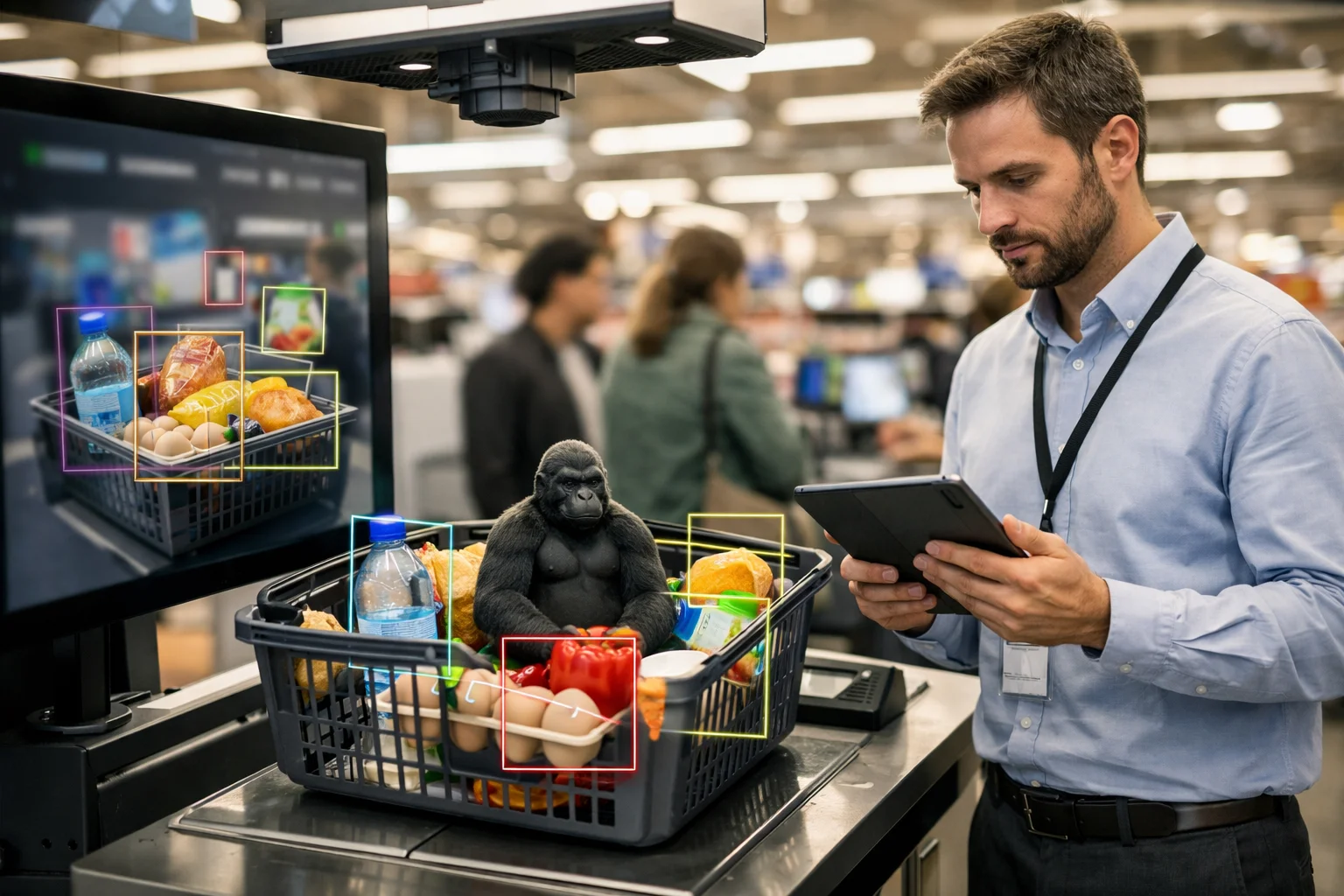
The strange part about blind spots is that they do not look dramatic while they are happening. A system can scan a shelf, a street, a factory line, or a hospital image and still miss the one thing that matters most.
That is the invisible gorilla effect in a business setting. The model seems focused, the dashboard looks clean, and the output arrives on time, yet the real signal slips through the frame because the system was trained to watch something narrower than the world it now faces.
That gap matters more as companies move from demos to daily operations. A retailer may want fewer checkout mistakes, a manufacturer may want faster defect checks, and a mobility team may want cleaner scene recognition, so picking the right computer vision development company becomes part of risk control as much as product strategy.
N-iX and professional companies like it understand what the camera may miss, what the model may confuse, and what the business cannot afford to overlook.
Why Computer Vision Blind Spots Cause the Invisible Gorilla Effect?
Why the Gorilla Walks Right Past the Lens?
Human attention gave this metaphor its name, and the lesson still lands. When people focus too tightly on one task, they can miss a huge surprise in plain sight. Research on inattentional blindness helps explain why vision systems can stumble in a similar way.
A model does not get tired in the human sense, but it can become trapped by the limits of its training data, labels, and goals. If it learned to spot boxes on a conveyor belt, a bent label may matter more to it than a cracked surface. If it learns traffic scenes in bright weather, winter glare or road spray can throw it off faster than expected.
That is why blind spots rarely come from one dramatic mistake. They grow from narrow examples, weak annotation, camera placement that looked fine on paper, and success measures that reward speed while giving too little weight to edge cases. Many computer vision development companies can build a model that performs nicely in test conditions.
The harder job is shaping a system that keeps its footing when the scene gets messy, cluttered, or unfamiliar. The gorilla appears when the project team falls in love with the expected pattern and forgets that the real world has a habit of wandering off script.
Where Blind Spots Turn into Business Trouble?
A missed object is never just a missed object. It becomes a refund, a safety issue, a production delay, or a wrong call that someone has to fix by hand. That is where machine vision stops feeling like a technical toy and starts acting like part of daily operations.
When the camera sees only what the system was taught to value, teams end up paying for the rest in labor, downtime, waste, and customer frustration.
The invisible gorilla shows up in different costumes depending on the setting:
- In retail, the model tracks items well but struggles with crowded baskets, unusual packaging, or bad lighting near checkout.
- In manufacturing, the system catches common defects but lets rare surface flaws slide because they barely appeared in training images.
- In healthcare imaging, the software highlights the expected pattern yet misses an unusual detail that sits outside its learned habits.
- In transport or logistics, the model reads the main scene well but gets confused by reflections, weather, or partially blocked objects.
These are not fringe problems. They sit right in the middle of what companies buy computer vision development services for. A polished demo can hide them for a while, but production has a way of dragging the gorilla into the open. Therefore, teams need to test for the awkward cases on purpose instead of treating them like bad luck.
How Teams Teach a System to Notice the Obvious?

Good projects chase judgment before perfection. A useful model needs varied examples, clean labels, and repeated checks against real conditions. It also needs human review at the points where mistakes would cost the most.
In a factory, that may mean double-checking uncertain detections before a product moves on. In a mobility setting, it may mean stricter fallback rules when the scene becomes hard to read. In stores, it may mean watching the cases that generate the most corrections instead of chasing average accuracy alone.
A lot of computer vision development goes wrong because teams treat deployment like the finish line. In reality, it is closer to the first lap.
Once the system meets new lighting, new camera angles, worn packaging, seasonal clutter, or human workarounds, the old training set starts to show its age. That is also why quality control should cover the model, the data flow, and the business process around them.
Strong partners keep asking practical questions. What errors matter most? Which misses can be caught upstream? Where should the model ask for help?
Those questions sound simple, but they pull the project back toward reality. What matters is a system that can flag uncertainty when the gorilla may be in the room and give the business a fair chance to respond.
Final Thoughts
The invisible gorilla effect is a useful warning for any team building with computer vision. Vision models can break for more than one reason. Some struggle because the model is weak, while others stumble because the project around it became too narrow or too eager to trust a clean demo.
A better path starts with wider data, sharper testing, and clear rules for what happens when confidence drops. Thus, the smartest systems are the ones built with respect for what can still hide in plain sight, and that mindset turns computer vision from a flashy feature into a dependable part of the business.

Blogger | Business Writer | Sharing startup advice on UK business blogs
Related Articles in Business
View All →
Chick-fil-A Franchise Cost in 2026: UK Investment, Fees, Profits and Requirements
The Chick-fil-A franchise cost in the UK is approximately £10,000, making it an unusually accessible entry point into the international fast-food franchise market. In the United States, the…

The Best Digital Marketing Agencies for Enterprise Brands in the UK
When it comes to enterprise-scale marketing campaigns, the toughest challenge is ensuring coordination between the different channel teams. It’s understandable when you consider the complexity, with teams targeting…

Pass the Keys Franchise Cost: Investment, Fees and Profit Potential in 2026
The Pass the Keys franchise cost is currently best understood as a two-part investment: the franchise entry cost and the wider capital needed to launch and operate the…