
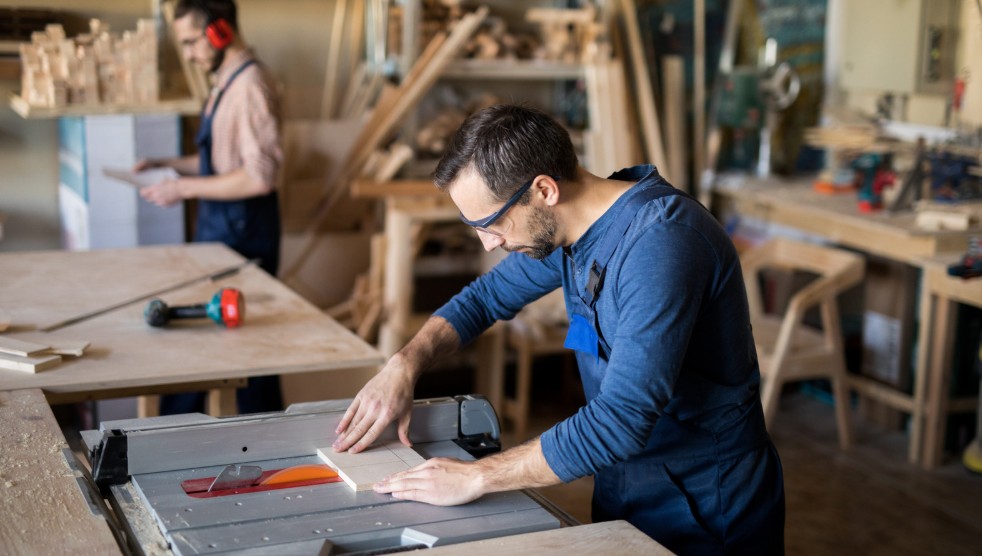

Embarking on a new furniture project is an exciting prospect. You have the design sketched out, the tools at the ready, and a vision of the finished piece. But before you make the first cut, there’s a critical decision that will influence the entire process and the final outcome: choosing the right material. The material you select determines not only the look and feel of your furniture but also its durability, cost, and the skills required to work with it.
Whether you’re crafting a rustic bookshelf or a sleek, modern media unit, understanding your material options is the key to success. This guide will walk you through the most common choices, helping you select the perfect foundation for your next creation.
How to Choose the Right Materials for Furniture Projects?
The Beauty and Strength of Solid Hardwoods
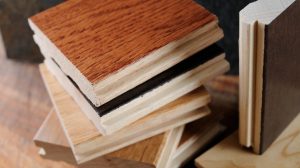
For timeless, heirloom-quality furniture, solid hardwood is the undisputed champion. Harvested from deciduous trees, hardwoods are known for their density, strength, and rich, natural beauty. While they represent a higher investment, their longevity is unparalleled.
- Oak: A classic choice, oak is incredibly strong, heavy, and durable, making it ideal for pieces that see heavy use, like dining tables and chairs. Its prominent grain pattern gives it a traditional and reassuring character.
- Walnut: For a touch of luxury, walnut is a superb option. Its deep, chocolate-brown colour and complex grain create stunning, high-end pieces. It’s a joy to work with and finishes to a beautiful, silky-smooth surface, perfect for desks, headboards, and cabinets.
- Ash: Lighter in both colour and weight than oak, ash is prized for its flexibility and toughness. Its creamy, pale hue and straight grain lend themselves well to contemporary and Scandinavian designs. It is famously used for bentwood chairs.
Working with hardwoods requires sharp tools and patience, but the result is a durable, beautiful piece of furniture that can last for generations.
The Versatility of Softwoods
Sourced from coniferous trees, softwoods like pine are a more economical and beginner-friendly option. As the name suggests, they are generally less dense than hardwoods, making them lighter and easier to cut and shape.
Pine is a popular choice for rustic, farmhouse-style furniture. Its lighter colour and prominent knots give it a distinct, casual charm. Because it’s more affordable, it’s a great material for those just starting in woodworking or for projects where you plan to experiment with different finishes.
The main consideration with softwoods is their durability; they are more prone to dents and scratches, making them better suited for items like bookcases, side tables, or decorative pieces that won’t face constant wear and tear.
Engineered Woods: Stability and Affordability
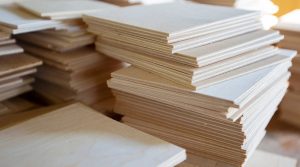
Engineered woods are manufactured products that use wood fibres, veneers, or particles bonded together with adhesives. These materials offer excellent stability, consistency, and are often more budget-friendly than solid wood.
Plywood
Plywood is made by gluing thin layers of wood veneer together, with the grain of each layer running perpendicular to the next. This cross-graining technique makes it incredibly strong and resistant to the warping and shrinking that can affect solid wood.
Birch plywood, in particular, is a favourite among modern furniture designers for its pale, clean appearance and attractive layered edge, which is often left exposed as a design feature. It’s perfect for cabinetry, shelving, and minimalist furniture.
Medium-Density Fibreboard (MDF)
MDF is created by breaking down wood residuals into fine fibres, which are then mixed with wax and resin and pressed into dense, stable sheets. Its defining feature is its perfectly smooth, uniform surface, which is completely free of knots and grain. This makes MDF the undisputed king for projects destined for a painted finish.
If you want a flawless, glass-smooth surface on a set of cabinet doors, a bookcase, or a desktop, MDF is your best bet. Its consistency makes it perfect for large-scale projects, and suppliers often offer extra large MDF sheets that allow you to create seamless, full-height wardrobe doors or expansive wall units without joints.
Beyond Wood: Incorporating Other Materials
Great furniture design often involves a mix of materials. Combining wood with other elements can add visual interest, functionality, and a unique character to your projects.
- Metal: Steel or aluminium legs can give a heavy wooden tabletop an industrial or modern feel, making it appear lighter.
- Glass: A glass top on a wooden base can add a touch of elegance and is a practical choice for coffee tables or desks.
- Upholstery: Adding a fabric cushion to a wooden bench or chair introduces comfort, colour, and texture.
Making the Right Choice for Your Project
Choosing the right material doesn’t have to be daunting. The best approach is to consider three key factors: your budget, your desired aesthetic, and the everyday function of the piece.
A heavily used dining table demands the durability of oak, while a sleek, painted wardrobe can be perfectly executed in MDF. By matching the material to the project, you set yourself up for a rewarding build and a beautiful, lasting piece of furniture.