

Running a restaurant is not just about food and service. As a business grows, operational questions quickly become just as important as the menu itself. Waste management, logistics and compliance often sit in the background until they start creating real constraints. For founders and managers focused on scaling, putting clear systems in place early can make daily operations smoother and support long-term growth.
Why Operational Structure Matters in Hospitality?
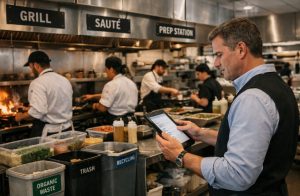
Restaurants operate under constant pressure. Staff turnover, supply issues and fluctuating demand all require fast decisions. Without clear processes, small inefficiencies can accumulate and affect profitability. Successful hospitality businesses tend to standardise what they can, allowing teams to focus on customers rather than logistics. This includes how waste is handled, stored, and removed, especially in kitchens with high daily output.
Managing Kitchen Waste Without Slowing Down Service
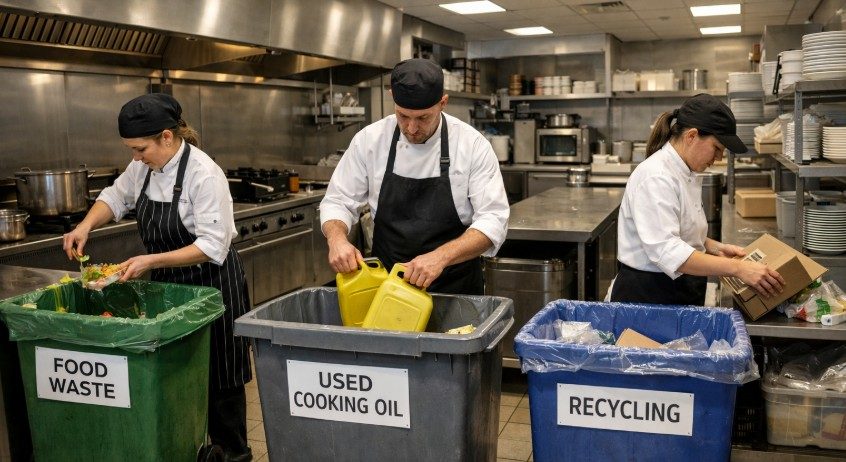
In busy kitchens, waste is generated continuously. Oils, packaging, and food remnants all need to be handled safely and regularly. When systems are unclear, staff lose time, storage areas become cluttered and hygiene risks increase.
This is where professional solutions such as a cooking oil collection for restaurants fit into a wider operational strategy. Instead of treating waste as an afterthought, organised collection helps maintain workflow and reduces interruptions during service.
Choosing Partners That Support Business Growth
As restaurants scale, external partners play a larger role. Reliable suppliers and service providers allow teams to stay focused on core activity. Working with an experienced operator like Quatra can help remove uncertainty around waste handling while offering consistency across multiple sites. For growing businesses, this kind of partnership simplifies planning and reduces the need for internal management of complex processes.
Sustainability as a Business Consideration, Not a Trend
Sustainability is increasingly linked to operational efficiency rather than marketing alone. Reducing waste, improving recycling, and complying with environmental regulations all contribute to a stronger business foundation. Customers may notice these efforts, but the real value often lies in cost control and risk reduction. Clear systems also help businesses prepare for future regulations without last-minute adjustments.
Building Scalable Systems From the Start
Startups and expanding restaurant groups benefit from thinking ahead. Systems that work for one location may not scale naturally to five or ten. Waste management is one area where early structure prevents future friction. By integrating reliable services and clear procedures, restaurants can grow without constantly revisiting operational basics.
Supporting Growth Through Smarter Organisation

Strong restaurant brands are built on more than food alone. Behind every smooth service is a network of processes that support staff and protect margins. By investing in structured waste solutions, choosing dependable partners, and aligning operations with long-term goals, hospitality businesses create a foundation that supports sustainable growth rather than limiting it.