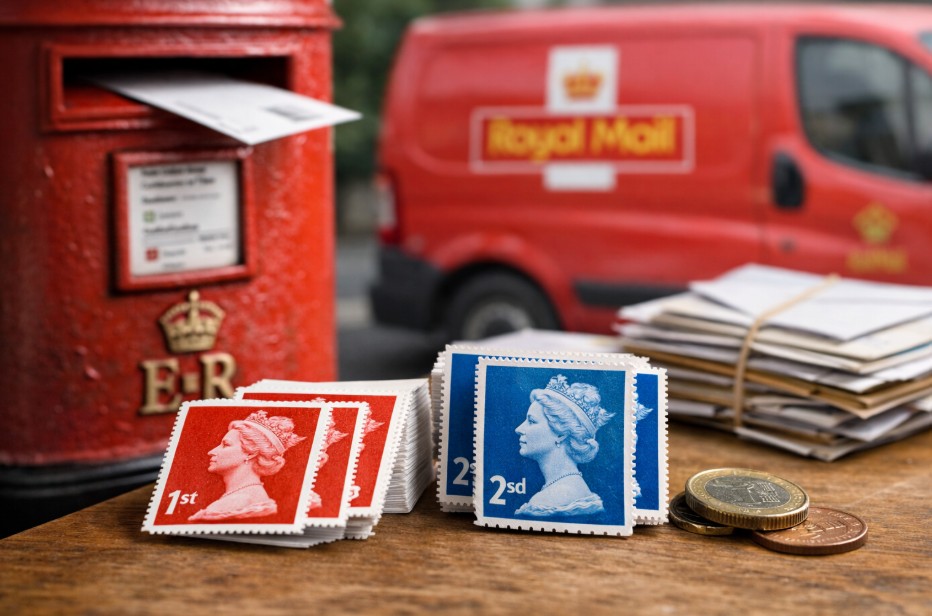

Postage stamp prices in the UK will increase on 7 April 2026. Royal Mail has confirmed that stamp prices will rise again as the company faces rising delivery costs and a continued decline in letter volumes.
From this date, the cost of sending letters across the UK will change for both first-class and second-class stamps.
Key changes include:
- First class stamps will rise by 10p to £1.80
- Second-class stamps will increase by 4p to 91p
- The changes will apply from 7 April 2026
- The price increase reflects higher delivery costs and declining letter volumes
- Royal Mail now delivers to around 32 million UK addresses
While the increase may seem small, it continues a trend of rising postal costs over the past decade. Understanding when postage stamps are going up and why the prices are changing can help households and businesses plan ahead.
When Are Postage Stamps Going Up in 2026?
Royal Mail has officially confirmed that postage stamps will go up on 7 April 2026. The price changes affect both first-class and second-class letter stamps, which are commonly used for sending personal letters, business correspondence, and greeting cards across the UK.
These increases are part of Royal Mail’s regular pricing updates, which typically occur once or twice a year depending on operating costs and market conditions.
According to Royal Mail, the price changes will apply across several services, including:
- First-class and second-class stamped letters
- Large letters and parcels
- Royal Mail Signed For® services
- Special Delivery Guaranteed®
- Royal Mail Tracked services
- International letter services
The upcoming increase is one of several stamp price rises introduced in recent years. Over time, the cost of sending letters has increased as fewer people rely on traditional mail and more communication moves online.
Royal Mail’s Managing Director of Letters, Richard Travers, explained the reasoning behind the price change:
“We always consider price changes very carefully, balancing affordability with the rising cost of delivering mail.”
The company says the adjustment is necessary to maintain the national postal network while handling significantly lower volumes of letters.
How Much Will First and Second Class Stamps Cost from April 2026?
From 7 April 2026, both first and second class stamps will increase in price. Although the rise is relatively small per stamp, it continues the steady upward trend seen in recent years.
New Royal Mail Stamp Prices (2026)
| Stamp Type | Current Price | New Price from 7 April 2026 | Increase |
| First Class Stamp | £1.70 | £1.80 | +10p |
| Second Class Stamp | 87p | 91p | +4p |
The increase means the cost of sending a letter using a first class stamp will reach £1.80, while second class stamps will cost 91p.
First-class mail typically arrives the next working day, while second class letters usually arrive within two to three working days.
Comparison with Previous Years
Stamp prices have changed significantly over the last decade. Ten years ago, sending a letter was much cheaper.
| Year | First Class Stamp | Second Class Stamp |
| 2016 | 64p | 55p |
| 2020 | 76p | 65p |
| 2024 | £1.35 | 85p |
| 2026 | £1.80 | 91p |
This steady increase highlights how the cost of maintaining a nationwide postal network has grown over time.
Money-saving expert Martin Lewis has often advised consumers to prepare for price increases in advance:
“For years, every time stamps go up in price I’ve suggested people stock up and bulk-buy in advance, as long as the stamp doesn’t have a price on it and instead just says the postage class.”
Because most UK stamps show the class rather than a fixed value, they remain valid even after prices rise.
Why Are Royal Mail Stamp Prices Going Up Again?
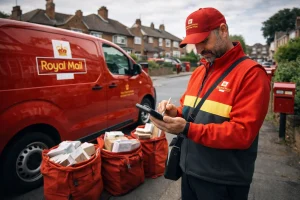
The rising cost of stamps is largely driven by changes in how people communicate and send mail. Royal Mail says the postal network has become more expensive to operate because letter volumes have fallen dramatically, while the number of delivery addresses continues to increase.
Key Reasons Behind the Price Increase:
Several factors have contributed to the latest stamp price rise:
- Declining letter volumes: The number of letters sent in the UK has dropped by around 70% over the past 20 years.
- More delivery addresses: Royal Mail now delivers to around 32 million addresses, which is four million more than two decades ago.
- Rising operational costs: Fuel, staffing, and logistics costs have increased significantly.
- Maintaining a universal postal service: Royal Mail is required to deliver letters nationwide, including remote areas.
Richard Travers of Royal Mail highlighted the challenge facing the postal network:
“On average, UK adults now spend just £6.50 each year on stamps and there are 70% fewer letters sent than 20 years ago.”
Despite declining usage, Royal Mail must still maintain infrastructure across the country, which adds pressure to pricing.
Why Is the 2026 Stamp Price Rise Controversial?
Although Royal Mail argues the increase is necessary, the decision has sparked criticism from consumer groups and politicians. Concerns centre around service reliability and delivery delays, which some critics believe should be resolved before further price increases are introduced.
Citizens’ Advice has been particularly vocal about the issue. Anne Pardoe, the organisation’s head of policy, warned that rising prices could place additional pressure on households.
“The price of stamps can’t be treated as a dial that is turned up without a clear justification for consumers.”
Royal Mail has faced criticism for missing delivery targets in recent years. In fact, the company has not met its annual first-class delivery target since the 2019–20 financial year.
This performance has also attracted regulatory attention. Ofcom, the UK communications regulator, previously fined Royal Mail £21 million after an investigation found a large proportion of first-class letters were arriving late.
Some Members of Parliament have also raised concerns about delays and disruption to postal services, especially during busy periods such as Christmas.
Despite these criticisms, Royal Mail argues that price adjustments are necessary to maintain the service long-term.
How Much Have Stamp Prices Increased Over the Years?
Over the past decade, the cost of sending letters has risen significantly. The price of a first class stamp has nearly tripled compared with prices seen ten years ago.
Stamp Price Growth Over Time:
| Year | First Class Price | Second Class Price |
| 2016 | 64p | 55p |
| 2019 | 70p | 61p |
| 2022 | 95p | 68p |
| 2024 | £1.35 | 85p |
| 2026 | £1.80 | 91p |
The latest increase means the price of a first-class stamp has risen by around 137% over the past six years, according bb reports.
Several factors have contributed to this trend:
- Fewer people are sending traditional letters
- Growing reliance on digital communication
- Increased logistics and delivery costs
- Expansion of delivery networks
Although prices have risen sharply, Royal Mail has argued that UK stamp prices remain broadly comparable with European postal services.
Should You Buy Stamps Before the April 2026 Price Rise?
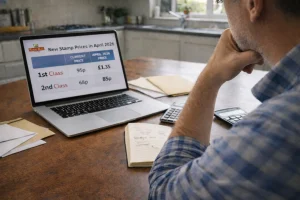
For households and small businesses that still send letters regularly, buying stamps before the increase could help reduce costs slightly.
Many consumer experts suggest purchasing stamps ahead of a price rise because most Royal Mail stamps are not tied to a fixed monetary value.
Instead, they display the postage class (such as First Class or Second Class). This means they remain valid even after the price increases.
For example, if you purchase first-class stamps before the April price change, they will still cover the full cost of postage after the new price comes into effect.
Martin Lewis highlighted this strategy as a simple way to save money on future mail.
Stocking up can be particularly useful for:
- Sending Christmas cards
- Posting birthday cards
- Mailing documents or invoices
- Sending small business orders
However, the savings per stamp are relatively small, so bulk buying is usually most beneficial for people who send mail frequently.
Will Old Stamps Still Be Valid After Prices Go Up?
Yes, most existing stamps will still be valid after the April 2026 price increase. Modern UK stamps generally show the postage class rather than a printed price, meaning they automatically adjust to the current postage rate.
For example:
- A first-class stamp purchased today will still send a letter first class even after the price increases.
- A second-class stamp will continue to cover second-class delivery.
This system allows Royal Mail to increase prices without requiring customers to exchange older stamps.
However, if you have older stamps with a printed value, you may need to add additional postage if the value is lower than the current rate.
What Does the Stamp Price Increase Mean for Households and Small Businesses?
The 2026 price increase may seem minor, but it reflects a broader shift in the UK postal industry.
For households, the impact is generally small because most people send relatively few letters each year. Royal Mail estimates that the average UK adult spends around £6.50 per year on stamps.
However, the impact can be more noticeable for:
- small businesses sending invoices or documents
- online sellers posting items
- charities relying on postal communication
- individuals sending frequent letters
At the same time, Royal Mail is exploring wider reforms to modernise the postal system. Some proposals include changes to delivery schedules for second-class mail and adjustments to universal service requirements.
These changes are intended to help the postal network remain sustainable as traditional letter usage continues to decline.
Conclusion
The answer to when postage stamps are going up in 2026 is clear: Royal Mail will increase stamp prices from 7 April 2026.
From that date:
- First-class stamps will cost £1.80
- Second-class stamps will cost 91p
The price rise reflects rising operational costs, declining letter volumes, and the ongoing challenge of maintaining a nationwide postal service.
Although the increase is relatively small, it continues a trend of rising stamp prices over recent years. If you regularly send letters, buying stamps before the April deadline could help you avoid paying the higher rate.
Understanding these changes ensures you can plan ahead and manage postage costs more effectively.
FAQs
When does the Royal Mail stamp price increase start in 2026?
Royal Mail stamp prices will increase from 7 April 2026. The change applies to both first and second class stamps as well as several other postal services.
How much will a first-class stamp cost in the UK in 2026?
From April 2026, a first-class stamp will cost £1.80, which represents a 10p increase from the previous price.
What is the price of a second-class stamp from April 2026?
A second-class stamp will cost 91p after the new prices take effect on 7 April 2026.
Why are Royal Mail stamp prices increasing?
Royal Mail says prices are rising because letter volumes have declined significantly, while delivery costs and the number of addresses served have increased.
Can I still use old stamps after the price rise?
Yes. Stamps that show the postage class rather than a printed value remain valid even after price increases.
How much have stamp prices increased in recent years?
The price of a first-class stamp has risen significantly, reaching £1.80 in 2026, which is around 137% higher than prices six years ago.
Should I buy stamps before the 2026 price increase?
If you send letters regularly, buying stamps before the increase may save money since stamps without printed values remain valid after the price change.