
How Can Money BetteThisWorld Help Businesses?

UK Startup Blog Archive
Table of Contents
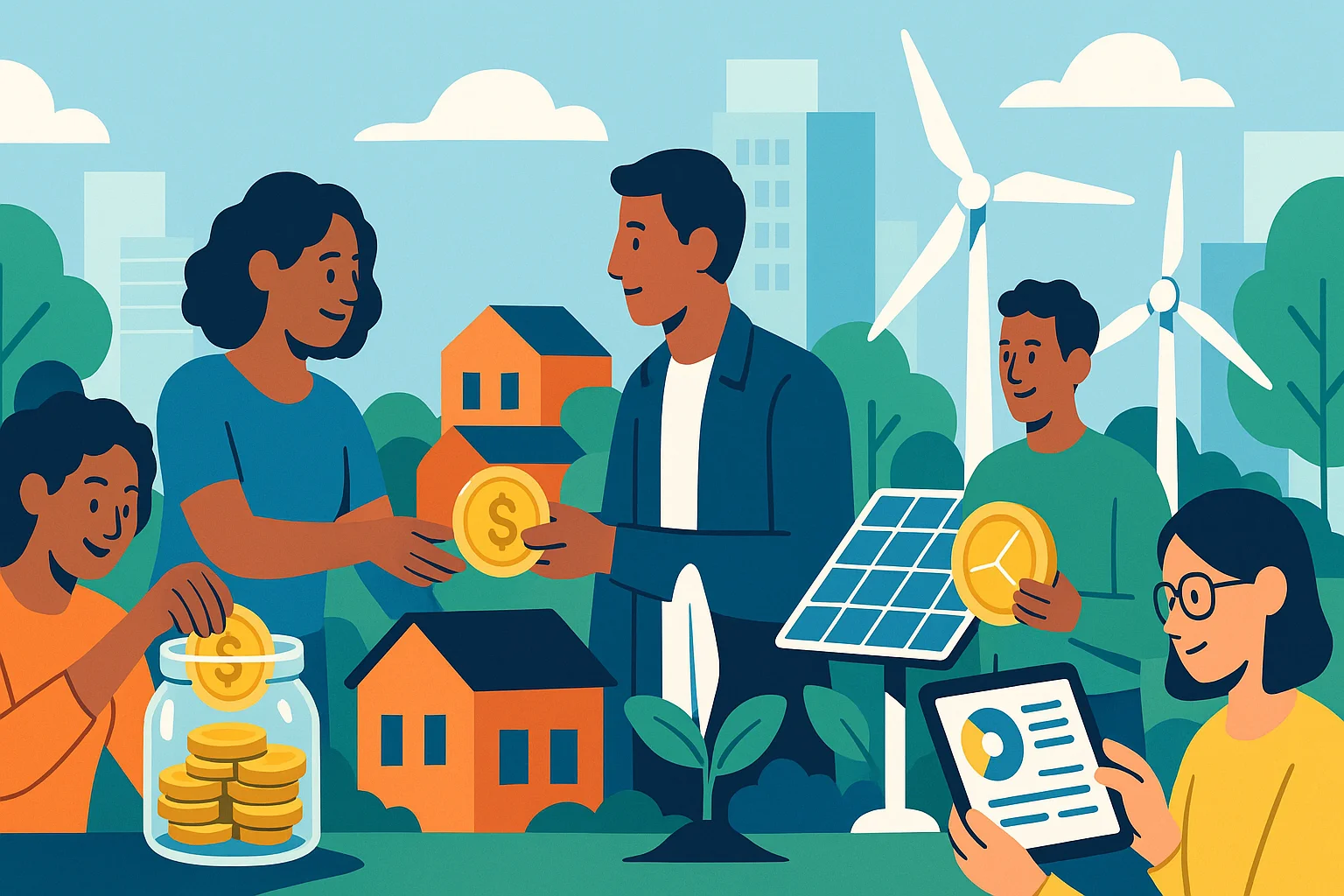
What if the way we view money is limiting our ability to live fuller, more meaningful lives? What if the purpose of money isn’t just accumulation, but transformation, for individuals, families, communities, and society at large?
These questions sit at the core of the philosophy behind Money Betterthisworld, a financial mindset that challenges the conventional notion of money as an end goal. Instead, it promotes the idea of money as a means to improve life, enabling people to align their financial actions with their values.
But how exactly can money make the world better, both personally and globally? This article explores that question by applying the Money Betterthisworld framework to real-life financial topics such as budgeting, saving, debt management, investing, and long-term planning.
What Does “Money Betterthisworld” Actually Mean?

Money Betterthisworld is more than a phrase, it’s a lens through which people can reimagine their relationship with money. Instead of treating money as the ultimate goal, this concept suggests that money should serve your priorities, support your lifestyle, and strengthen your financial resilience.
It advocates a mindset shift, encouraging individuals to make decisions based on honest values, clear goals, and long-term habits. That could mean spending more intentionally, avoiding unnecessary financial risks, or saving for the future with purpose. It’s not about having more, it’s about using what you have more effectively.
By taking this perspective, money becomes a servant to your life, rather than your life becoming a servant to money. This subtle but powerful shift can lead to greater financial confidence, reduced stress, and a life that feels more aligned and intentional.
How Can Shifting Your Financial Mindset Improve Your Life?
For many people, financial progress doesn’t begin with more income, it begins with a change in thinking. Self-limiting beliefs like “I’m just bad with money” or “Only the wealthy can invest” are deeply ingrained and silently influence behaviour. These beliefs can prevent action, create shame, and lead to avoidance.
Money Betterthisworld encourages people to confront these stories. By acknowledging and replacing harmful beliefs with small, achievable steps, individuals begin to feel more empowered. A person who thinks saving is impossible might set aside just £5 a week, proving to themselves that progress is possible.
Purpose becomes a guiding factor. When spending aligns with what truly matters, such as family, education, or health, it feels less like sacrifice and more like fulfilment. Saving becomes easier when connected to specific outcomes, such as a home deposit or financial freedom. Purpose adds depth to every financial decision.
Slow progress is celebrated, not discouraged. Rather than chasing dramatic results, this mindset promotes consistency, knowing that habits are more sustainable than shortcuts. Over time, this kind of thinking fosters a stable, confident approach to money.
Why Is It Important to Build a Budget That Fits Your Life?
Traditional budgeting methods often fail because they don’t reflect the realities of day-to-day life. A perfect budget on paper is meaningless if it’s impossible to maintain. That’s why Money Betterthisworld focuses on practical, adaptable budgeting, a method that puts you in control, not under pressure.
It starts with tracking your take-home income. From that, essentials such as housing, food, utilities, and transport are deducted. These are non-negotiables. What remains can be divided between savings and discretionary spending.
A simple structure might look like this:
| Category | Example Monthly Allocation |
| Essentials | £1,500 |
| Emergency Savings | £200 |
| Flexible Spending | £500 |
| Total Income | £2,200 |
For those with irregular incomes, such as freelancers or gig workers, averaging earnings over the past three months provides a clearer foundation for planning. The budget should also evolve with life’s changes: when income rises, saving should increase; when it drops, priorities are adjusted.
Short weekly or monthly check-ins help identify areas of concern. Perhaps grocery spending crept up, or a subscription is no longer used. With small tweaks, a personalised budget becomes not just a tool for control, but a reflection of your priorities.
How Can You Save Money With Purpose and Confidence?

Saving without a goal often feels like a chore. That’s why Money Betterthisworld frames saving as a set of specific, meaningful targets. When savings are tied to personal values or life plans, every deposit becomes an act of progress rather than deprivation.
The first step is building an emergency buffer, ideally one month’s worth of essentials to start. This buffer cushions against unexpected costs like car repairs, medical expenses, or job loss. Even small contributions toward this goal provide peace of mind and build momentum.
Beyond emergencies, medium-term goals can include saving for a holiday, a new laptop, or professional development. Each goal should be labelled and tracked over time. This visibility strengthens commitment.
Long-term savings typically involve retirement planning or investing in assets. In the UK, this could include ISAs (Individual Savings Accounts) or employer-based pension schemes. If matched contributions are available, they should be maximised as they represent a direct return on investment.
Using separate accounts with distinct names, such as “Emergency Fund”, “Holiday Savings”, or “First Home”, helps prevent confusion. Automating contributions further removes the need for constant decision-making.
What Does Responsible Spending Look Like in Everyday Life?
In the Money Betterthisworld framework, spending is not about guilt or restriction, it’s about alignment. Spending money becomes an expression of values. It’s not about cutting joy but about choosing joy more wisely.
The process begins with identifying core priorities. For one person, this might be time with family. For another, it might be health or personal growth. Knowing what matters most provides a filter through which every purchase can be evaluated.
This approach doesn’t eliminate all indulgences but helps to distinguish between value and impulse. A coffee with a friend might bring more joy than another pair of shoes bought out of boredom. Conscious spending also involves recognising and stopping hidden leaks, like underused subscriptions or duplicated services.
A useful habit is implementing a purchase pause. When tempted to buy something non-essential, waiting 48 to 72 hours often reduces impulse purchases. Many people find that the desire fades, and money is saved effortlessly.
Ethical spending is another important dimension. Supporting local businesses or environmentally conscious brands may carry a higher upfront cost but align more closely with personal values. These decisions allow individuals to vote with their wallets for the kind of world they want to live in.
How Can Debt Be Managed Without Fear or Shame?
Debt often brings anxiety and shame, but Money Betterthisworld takes a different approach. It treats debt not as failure but as a financial tool that requires management and awareness.
The first step is clarity. Every debt, including credit cards, loans, and overdrafts, should be listed with its balance, interest rate, and monthly repayment. Understanding the full picture is essential to creating a strategy.
There are two common methods for repayment. The snowball method pays off the smallest debts first to build motivation. The avalanche method targets the highest-interest debts first to minimise costs. Both are valid, and the best method is the one you’ll stick with.
It’s vital to avoid accumulating new debt while paying off old balances. That might involve cutting back temporarily on non-essentials or finding ways to increase income. A small emergency buffer is critical; without it, unexpected expenses could reverse your progress.
Debt consolidation may be appropriate if it reduces total cost, but it requires careful scrutiny of terms. Some offers promise simplicity but hide fees or extend the repayment period excessively.
Ultimately, a debt-free life is possible through consistency and conscious choices, not through overnight fixes.
How Does Purpose-Driven Investing Create Long-Term Impact?

Investing is a powerful way to grow wealth, but Money Betterthisworld urges people to invest with intention and clarity. Instead of chasing high returns at any cost, this approach focuses on building financial futures that align with personal ethics and life goals.
For beginners, simple tools such as index funds and diversified portfolios offer low-cost access to markets. These options often outperform actively managed funds and require less attention. As comfort grows, individuals can explore more nuanced investments, such as ESG (Environmental, Social, Governance) funds that prioritise sustainability and ethics.
Investing regularly, even in small amounts, builds discipline and long-term growth. This process, known as pound-cost averaging, spreads risk by buying investments at different price points over time.
When investing through pensions or ISAs, individuals benefit from tax efficiency, further boosting returns. Employer pension contributions should never be left on the table, as they represent free money towards your future.
Investing is not only about personal gain. Choosing to fund ethical companies means supporting better labour practices, greener industries, and more inclusive governance, thus creating a broader societal impact.
Can You Increase Income Without Sacrificing Your Values?
Sometimes, cutting costs isn’t enough. Growing income provides greater financial flexibility, and Money Betterthisworld encourages people to pursue value-aligned opportunities for additional earnings.
This could begin with recognising one’s strengths and interests. A skill in writing, graphic design, teaching, or home repairs can evolve into freelance work, part-time services, or online offerings. Even modest side projects can produce consistent income streams that support long-term goals.
Asking for a raise at work is another valuable strategy. Demonstrating your impact through results, taking on new responsibilities, or achieving certifications can form the basis of a compelling case.
The aim is not to hustle endlessly but to build a balanced income structure, one that enhances stability without burning out. Purposeful earning reduces reliance on credit and accelerates financial independence.
How Can Long-Term Planning Protect and Empower You?
Many people focus so much on day-to-day finances that they neglect the long-term picture. Money Betterthisworld places strong emphasis on building a foundation that lasts.
Long-term planning includes retirement accounts, insurance coverage, wills, and legacy contributions. It also means establishing habits, like monthly giving or education savings for children, that reflect the life you want to leave behind.
A basic will, life insurance, and regular pension contributions are key pillars of future protection. These tools offer peace of mind and safeguard loved ones.
Reviewing plans once or twice a year ensures everything stays aligned with life’s changes. A promotion, new baby, or move can all shift your financial landscape. Adjusting your plan proactively prevents unexpected gaps or risks.
This isn’t about perfection, it’s about progress and responsibility.
What Should You Do When Financial Plans Go Off Track?
Even with the best intentions, life can disrupt financial plans. Job loss, illness, inflation, or unexpected family needs may challenge your routines.
The Money Betterthisworld mindset accepts this reality. Rather than giving up, it encourages small steps. Paying one bill on time or saving £10 can restart momentum. Small wins compound over time.
Using an emergency fund first helps avoid further debt. Keeping systems simple, like automating payments or using plain spreadsheets, makes recovery easier.
When clarity fades, seeking support from a financial advisor or coach can bring a fresh perspective. There’s no shame in needing help. What matters is getting back on track.
Conclusion: How Can You Start Living the Money Betterthisworld Way?
The journey to financial stability and fulfilment doesn’t begin with radical change. It begins with three small actions:
- Track what came in and what went out last month
- Automate a single saving step, even £10 counts
- Choose one debt to tackle and start this week
Each month, build on this. Cancel a bill that no longer adds value. Try a new income idea. Rethink your goals and reset your plan.
Money Betterthisworld isn’t about chasing more. It’s about aligning your finances with the life you want, making consistent, values-based choices that move you towards peace, freedom, and long-term wellbeing.

Blogger & Content creator | An insightful writer sharing practical advice for UK entrepreneurs
Related Articles in Corporate News
View All →
Aviyne .com – A Digital Hub for Startup Insights and Business Growth
Aviyne.com stands out as a dynamic digital hub designed to support startups and businesses in achieving sustainable growth. In an increasingly competitive and technology-driven landscape, entrepreneurs need access…

How Much Does the Meningitis B Vaccine Cost in UK?
A common question is how much the meningitis B vaccine costs, especially for those not eligible for free NHS coverage. In most cases, the vaccine is only available…

Irwin Mitchell Lawyer Struck Off After Telling Junior Colleague to Lie – Here’s What Happened
In one of the most high-profile solicitor misconduct cases of recent years, a senior associate from a major UK law firm was struck off after instructing a junior…