
Bricklayer Day Rate 2026: Average UK Daily and Hourly Costs

UK Startup Blog Archive
Table of Contents
Hiring a bricklayer in the UK in 2026 typically costs between £240 and £320 per day, depending on the location, complexity of the project, and the bricklayer’s experience.
Hourly rates generally range from £30 to £50 per hour, while larger projects may be quoted per square metre. London and the South East usually command higher labour rates than northern regions.
Whether homeowners are building a garden wall, extension, or structural feature, understanding bricklayer day rates helps avoid unexpected costs and allows for accurate budgeting before work begins.
Key Takeaways:
| Bricklaying Cost Factor | Average UK Cost in 2026 |
| Bricklayer day rate | £240 – £320 per day |
| Bricklayer hourly rate | £30 – £50 per hour |
| Team of two bricklayers | Around £560 per day |
| Labourer daily rate | Around £240 per day |
| Brickwork per square metre | £100 – £300 per m² |
| Cost per 1,000 bricks | Around £1,000 |
| Garden wall construction | £800 – £1,400 |
2026 Bricklaying Cost Snapshot:
Before diving into regional specifics, here is the baseline for budgeting your project in the current market:
- Standard Day Rate: £240 – £320 for a qualified tradesperson.
- Price Work (Per 1,000 Bricks): Roughly £1,000, though this varies by brick type.
- Standard Productivity: An experienced professional typically lays 400 to 600 bricks per day.
- Project Minimum: Smaller repairs usually default to an hourly rate of £30 – £50.
What Is the Average Bricklayer Day Rate in the UK in 2026?
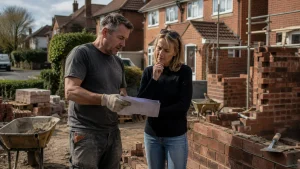
The average bricklayer day rate in the UK in 2026 falls between £240 and £320 per day for a qualified tradesperson. However, rates vary significantly depending on location, project size, and experience level.
Bricklayers in London and surrounding areas tend to charge higher labour rates due to increased living costs and demand for skilled tradespeople. In northern regions and smaller towns, rates may start from £180 to £220 per day for straightforward work.
For specialist brickwork involving decorative finishes, structural walls, or heritage restoration, prices can exceed £350 per day. Many bricklayers also work as part of a team, which increases labour costs but speeds up project completion.
David Morgan, Chartered Construction Consultant: “Many homeowners underestimate how much regional demand affects labour pricing. In busy areas, experienced bricklayers are often booked months ahead, which naturally pushes daily rates upwards.”
How Much Does a Bricklayer Charge Per Hour in 2026?
While many homeowners think in daily rates, the industry often operates on “price work” to ensure productivity.
- Day Rates (£240 – £320): Most common for complex, slow-moving tasks like heritage restoration, structural repairs, or decorative finishes where precision is more important than speed.
- Price Work (Per 1,000 Bricks): Often used for large-scale extensions or new builds. In 2026, labour for 1,000 facing bricks starts around £650 but can rise significantly for premium materials.
- Hourly Rates (£30 – £50): Best for “snagging” or minor repairs such as repointing or replacing individual cracked bricks.
Why Do Bricklayer Costs Vary Across Different UK Regions?
Bricklayer costs vary throughout the UK primarily because of labour demand, local competition, and living costs.
London consistently has the highest bricklaying rates in the country, with many tradespeople charging between £280 and £350 daily. In comparison, areas in the Midlands, Wales, or Northern England may offer rates closer to £180–£250 per day.
Transport costs, parking restrictions, and material availability also influence regional pricing. Rural locations may require additional travel charges, while urban areas often involve higher operational costs.
Another major factor is local construction activity. Areas experiencing high levels of property development usually see labour shortages, increasing bricklayer day rates significantly.
Why 2026 Rates Differ from Previous Years?
The UK construction market is currently facing unique pressures that affect your local quotes:
- Skills Shortages: A high demand for experienced tradespeople means many are booked months in advance, naturally pushing daily rates upward.
- Energy & Manufacturing: Rising energy costs have directly impacted the production of machine-made and handmade bricks, increasing the “material” portion of your quote.
- Sustainability Standards: There is a growing focus on energy-efficient construction and sustainable materials, which often require specialized bricklaying techniques.
| UK Region | Average Bricklayer Day Rate |
| London | £280 – £350 |
| South East | £250 – £320 |
| Midlands | £220 – £280 |
| North England | £180 – £250 |
| Scotland & Wales | £200 – £270 |
What Factors Affect a Bricklayer’s Daily Labour Cost?
Several important factors influence how much a bricklayer charges per day in 2026.
Experience and Skill Level
Experienced bricklayers with advanced skills command higher daily rates. Tradespeople specialising in decorative brickwork, heritage restoration, or structural masonry usually charge premium prices due to their expertise.
Qualified bricklayers with strong portfolios and excellent customer reviews are also in greater demand, allowing them to charge higher labour rates.
Type of Bricklaying Project
Simple bricklaying jobs such as straight garden walls are usually cheaper than projects involving curved walls, retaining walls, or detailed architectural designs.
Projects requiring planning precision, load-bearing calculations, or specialist brick patterns increase labour time and overall costs.
How Much Does Brickwork Cost Per Square Metre?
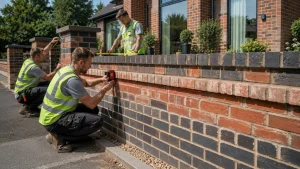
Brickwork costs per square metre in the UK generally range from £100 to £300 per m², depending on labour, materials, and wall type.
Basic single-skin walls using standard bricks are cheaper, while cavity walls, decorative finishes, or structural walls cost significantly more.
Several factors influence brickwork costs per square metre:
- Type of brick selected
- Wall thickness
- Mortar requirements
- Accessibility
- Foundation preparation
- Labour complexity
Decorative brick bonds and premium-facing bricks can substantially increase total costs due to additional labour time.
| Brickwork Type | Average Cost Per m² |
| Basic brick wall | £100 – £150 |
| Cavity wall | £180 – £250 |
| Decorative brickwork | £220 – £300 |
| Retaining wall | £200 – £320 |
What Is the Average Cost to Build a Brick Wall in the UK?
The average cost to build a brick wall in the UK ranges between £800 and £1,400 for a standard garden wall measuring approximately 1 metre high and 5 metres long.
The total price depends on:
- Labour rates
- Brick type
- Foundation depth
- Wall height
- Structural requirements
- Site accessibility
Load-bearing walls and retaining walls require stronger foundations and engineering considerations, increasing labour and material expenses.
Additional features such as decorative caps, curved designs, or integrated pillars can also raise the overall cost considerably.
How Many Bricks Are Needed Per Square Metre?
A standard UK brick wall generally requires between 60 and 75 bricks per square metre, depending on wall thickness and brick size.
This estimate includes mortar spacing and standard brick dimensions. Larger-format bricks or decorative patterns may alter the required quantity.
Builders usually recommend ordering an additional 5–10% to account for:
- Waste
- Breakages
- Cutting adjustments
- Future repairs
Accurate brick calculations help prevent costly shortages or overspending during construction projects.
Which Types of Bricks Cost the Most in 2026?
The type of brick chosen significantly affects the total project cost in 2026. Some bricks are designed for structural strength, while others prioritise appearance and durability.
Handmade bricks remain among the most expensive options due to labour-intensive production methods.
Common Bricks
Common bricks are the cheapest option available, typically costing around £650 per 1,000 bricks. They are widely used for internal or non-visible structures but are not suitable for decorative or weight-bearing applications.
Engineering Bricks
Engineering bricks are known for their strength and water resistance. They are commonly used in foundations and structural projects, with prices starting from approximately £650 per 1,000 bricks.
Facing Bricks
Facing bricks are designed for visible exterior finishes and offer a more attractive appearance. Depending on colour, finish, and manufacturer, prices can range from £950 to over £2,260 per 1,000 bricks.
Sarah Collins, Residential Building Surveyor: “Facing bricks are often chosen purely for appearance, but homeowners should also consider durability and weather resistance before making a final decision.”
How Does the Manufacturing Process Affect Brick Prices?
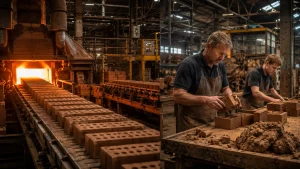
The manufacturing process has a direct impact on brick prices across the UK construction market.
Handmade bricks are considerably more expensive because they require more labour and traditional craftsmanship. These bricks are often selected for period properties or high-end architectural projects.
Machine-made bricks are generally cheaper and more widely available. They provide consistent sizing and are suitable for most residential construction work.
Sustainable manufacturing practices and rising energy costs have also increased production expenses in recent years, contributing to higher brick prices overall.
Why Are Brick Prices Increasing in the UK?
Brick prices in the UK continue to rise due to supply chain pressures, manufacturing costs, and ongoing construction demand.
Several major factors contribute to price increases:
- Rising fuel and energy costs
- Shortages of skilled labour
- Increased housing development
- Transportation expenses
- Supply chain disruptions
Local availability can also affect pricing significantly. Areas experiencing material shortages often face increased delivery times and higher supplier costs.
Homeowners planning bricklaying work in 2026 should budget carefully and obtain multiple quotes before purchasing materials.
What Hidden Costs Should Homeowners Expect During Bricklaying Work?
Many homeowners focus solely on labour and material costs without considering additional expenses that may arise during bricklaying projects.
Waste and Breakage Costs
Builders usually recommend ordering 5–10% more bricks than required to account for breakage, cutting errors, and accidental damage.
Delivery Charges
Brick deliveries often involve pallet transport fees, especially for larger orders or remote locations. Delivery charges vary depending on supplier distance and quantity ordered.
Scaffolding and Access Equipment
Projects involving higher walls or difficult access areas may require scaffolding, which adds extra costs to the overall project budget.
Additional Labour Charges
Complex designs, delays, or unforeseen site conditions may increase labour time, leading to additional daily charges from the bricklaying team.
Michael Reeves, Senior Quantity Surveyor: “Unexpected costs usually appear when site preparation hasn’t been properly assessed. Drainage issues, restricted access, and foundation complications can quickly increase labour time.”
How Much Does It Cost to Hire a Bricklayer for Common Projects?
Bricklaying prices vary depending on the scale and complexity of the project.
Garden Wall Construction
A standard decorative garden wall usually costs between £800 and £1,400, including labour and materials.
Simple straight walls are generally cheaper, while curved walls or decorative finishes increase costs significantly.
Home Extension Brickwork
Brickwork for home extensions can cost several thousand pounds depending on wall size, insulation requirements, and structural design.
Cavity walls and matching existing brickwork often increase labour complexity and material expenses.
Should Homeowners Hire a Bricklayer or Attempt DIY Bricklaying?
DIY bricklaying may appear cost-effective initially, but mistakes can become expensive to repair.
Professional bricklayers provide:
- Structural accuracy
- Correct mortar application
- Faster completion times
- Professional finishing
- Compliance with building standards
DIY projects may suit small garden features or non-structural work, but larger projects usually require professional expertise.
| Hiring a Bricklayer | DIY Bricklaying |
| Professional finish | Lower upfront cost |
| Faster completion | Flexible timing |
| Structural compliance | Learning experience |
| Reduced risk of mistakes | Suitable for small jobs |
| Higher initial cost | Risk of expensive errors |
How Can Homeowners Reduce Bricklaying Costs Without Sacrificing Quality?

There are several practical ways to reduce bricklaying costs while maintaining good workmanship standards.
Homeowners should:
- Obtain at least three quotes
- Compare labour and material breakdowns
- Schedule work outside peak seasons
- Choose locally available materials
- Clarify project timelines early
Providing accurate project details before receiving quotes also reduces the likelihood of unexpected charges later.
Avoid choosing contractors based solely on the cheapest quote. Quality workmanship often saves money long term by preventing future repairs.
What Should Be Included in a Bricklayer Quote?
A detailed bricklayer quote should clearly outline all expected costs and project details.
Key information should include:
- Labour charges
- Material costs
- Waste removal
- Delivery fees
- Project timeline
- VAT details
- Payment schedule
Written quotes help prevent disputes and provide clarity regarding project expectations.
Homeowners should also confirm whether groundwork, scaffolding, or cleanup services are included before work begins.
Why Is It Important to Compare Multiple Bricklayer Quotes?
Comparing multiple quotes helps homeowners understand average market pricing and identify unrealistic estimates.
Obtaining several quotes allows clients to compare:
- Labour costs
- Material quality
- Project timelines
- Guarantees
- Customer reviews
Quotes that appear unusually cheap may exclude important costs or involve inexperienced tradespeople.
Reviewing previous work and customer feedback is equally important when selecting a reliable bricklayer.
What Are the Typical Labour Costs for a Team of Bricklayers?
A team of two bricklayers typically charges around £560 per day in 2026.
Larger teams may be necessary for:
- Extensions
- Structural walls
- Commercial projects
- Time-sensitive builds
Although team rates are higher, projects are often completed more quickly, reducing overall disruption for homeowners.
Labour costs also increase when specialist skills or heavy groundwork are required.
What Are the Key Bricklaying Cost Trends for 2026?
Bricklaying costs in 2026 continue to rise due to inflation, labour shortages, and increasing material prices.
Key trends include:
- Rising skilled labour demand
- Higher energy-related manufacturing costs
- Increased focus on sustainable construction
- Continued material supply shortages
Premium brick finishes and energy-efficient construction methods are becoming increasingly popular, particularly for home extensions and renovation projects.
As demand for experienced tradespeople grows, homeowners are encouraged to book contractors well in advance to secure competitive rates.
The 2026 Bricklayer Quote Checklist
To ensure you are getting a fair price and quality workmanship, ensure your written quote includes:
- Waste Removal: Confirm if the tradesperson will remove rubble or if you need to hire a skip separately.
- Access & Scaffolding: For walls higher than 1.5m, check if scaffolding costs are integrated.
- Material Procurement: Clarify if the quote includes the bricks and mortar or just the labour (“labour only”).
- Timeline & Weather: Ask how the bricklayer handles delays caused by heavy rain or frost, which can affect mortar quality
Conclusion
Understanding the average bricklayer day rate in 2026 helps UK homeowners budget more accurately for construction and renovation projects.
Daily labour costs generally range from £240 to £320, while material prices and regional demand continue to influence total project expenses.
Factors such as brick type, wall complexity, and project location all play an important role in determining final costs. Whether hiring a bricklayer for a garden wall, extension, or structural build, obtaining detailed quotes and comparing multiple tradespeople remains the best way to secure quality workmanship at a fair price.
FAQs
How much does a self-employed bricklayer charge per day in the UK?
A self-employed bricklayer in the UK usually charges between £220 and £320 per day depending on experience, location, and the type of work involved. Specialist bricklayers or those working in London may charge even higher rates.
Is it cheaper to hire a bricklayer on a daily rate or fixed quote?
Daily rates are often suitable for smaller or flexible projects, while fixed quotes work better for larger jobs with clearly defined requirements. Fixed pricing can help homeowners avoid unexpected labour costs if the project takes longer than expected.
How many bricks can a professional bricklayer lay in one day?
An experienced bricklayer can typically lay between 400 and 600 bricks per day under normal working conditions. Weather, wall complexity, and site access can all affect productivity levels.
Do bricklayers charge extra for supplying materials?
Some bricklayers include material sourcing within their quote, while others charge separately. Homeowners should always confirm whether bricks, mortar, and delivery fees are included before agreeing to the work.
Are bricklayer rates higher in London compared to other UK regions?
Yes, bricklayer rates in London are usually significantly higher due to increased living costs, strong construction demand, and higher operating expenses. Labour rates in the capital often exceed £300 per day.
What is included in a bricklayer’s day rate?
A bricklayer’s day rate generally covers labour only unless otherwise agreed. Additional costs such as materials, scaffolding, waste removal, and labourers may be charged separately.
How can homeowners get accurate bricklaying quotes?
Homeowners should provide detailed project information, measurements, photographs, and material preferences when requesting quotes. Comparing at least three detailed estimates is recommended.
What time of year is cheapest for bricklaying work?
Winter months can sometimes offer lower labour rates due to reduced demand, although weather conditions may delay projects. Spring and summer are usually busier periods for bricklayers.
Can poor weather affect bricklaying costs and timelines?
Yes, heavy rain, frost, and extreme temperatures can delay bricklaying work and increase labour costs. Poor weather may also affect mortar quality and overall construction progress.

Startup mentor & Blogger | Sharing leadership tips for UK business owners
Related Articles in Business
View All →
Chick-fil-A Franchise Cost in 2026: UK Investment, Fees, Profits and Requirements
The Chick-fil-A franchise cost in the UK is approximately £10,000, making it an unusually accessible entry point into the international fast-food franchise market. In the United States, the…

The Best Digital Marketing Agencies for Enterprise Brands in the UK
When it comes to enterprise-scale marketing campaigns, the toughest challenge is ensuring coordination between the different channel teams. It’s understandable when you consider the complexity, with teams targeting…

Pass the Keys Franchise Cost: Investment, Fees and Profit Potential in 2026
The Pass the Keys franchise cost is currently best understood as a two-part investment: the franchise entry cost and the wider capital needed to launch and operate the…