
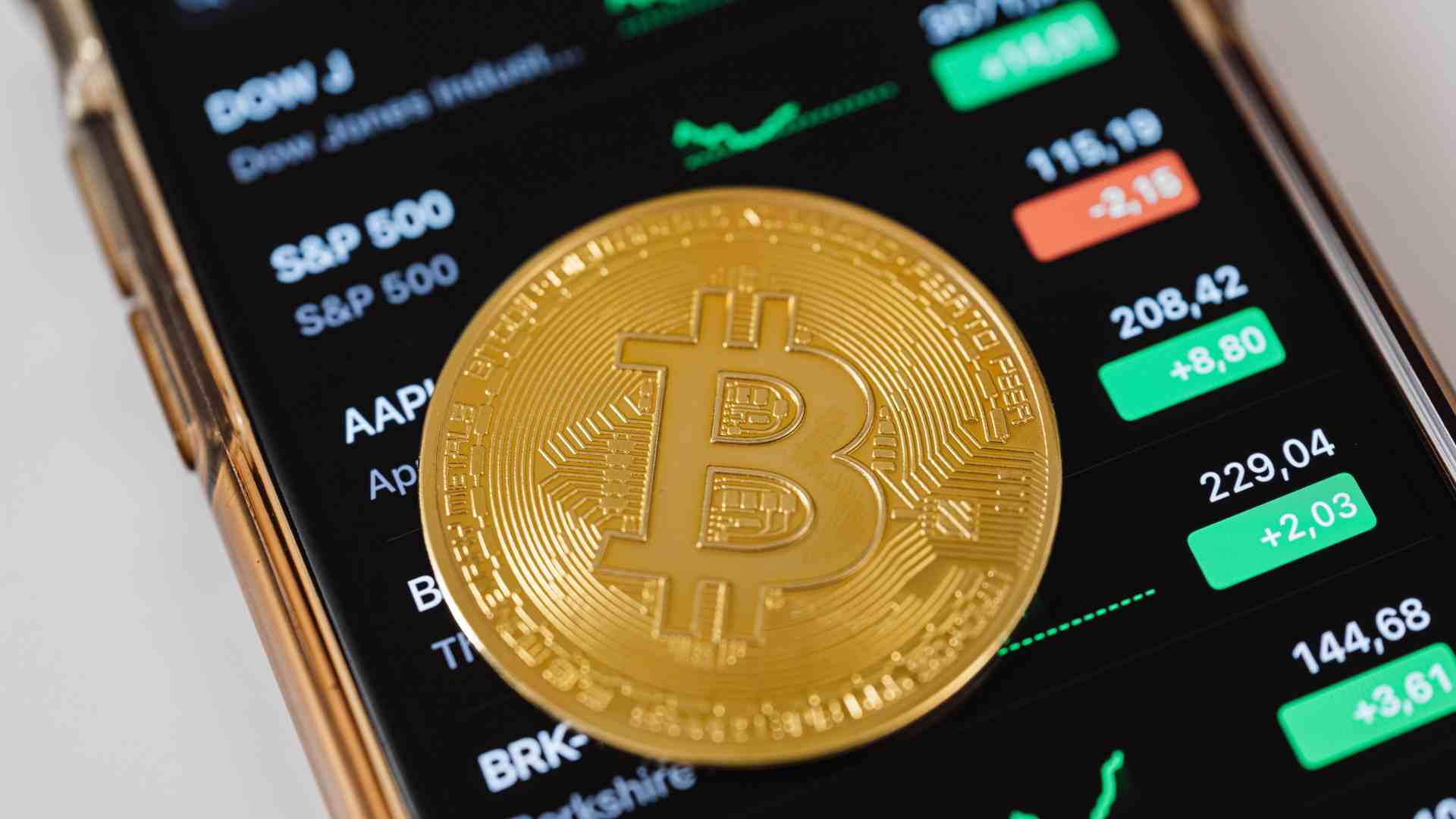
As cryptocurrency becomes increasingly integrated into everyday finance, many people are exploring alternative banking services to fund digital asset purchases. One question that continues appearing in 2026 is whether it is possible to buy Bitcoin with a Chime debit card.
The answer is generally yes, provided the cryptocurrency platform accepts Chime-supported card transactions and complies with applicable regulations. However, the process involves more than simply connecting a card and completing a purchase. Understanding how Chime interacts with crypto platforms, payment processors, and security requirements can help prevent confusion and improve the overall experience.
How to Buy Bitcoin With Chime in 2026?
Understanding Chime’s Role in Cryptocurrency Purchases

After more than fifteen years covering fintech, digital banking, and cryptocurrency markets, I have noticed that many consumers misunderstand the relationship between banking apps and crypto platforms.
Chime itself is not a cryptocurrency exchange.
Instead, it operates as a financial technology company, providing banking-related services through partner institutions. This distinction matters because Chime does not directly sell Bitcoin or operate a dedicated cryptocurrency marketplace.
What Chime provides is access to payment tools that can be used on supported crypto platforms.
In practice, many people use Chime accounts and debit cards to fund cryptocurrency purchases through regulated exchanges and brokerage-style crypto services. The Bitcoin purchase itself occurs on the crypto platform, while Chime serves as the payment source.
This arrangement is increasingly common throughout the financial industry.
Banks, fintech companies, payment processors, and crypto platforms often work together behind the scenes to facilitate transactions. As a result, consumers may successfully purchase cryptocurrency without their bank or fintech provider actually offering crypto services directly.
The important takeaway is that Chime functions as the bridge between your funds and the cryptocurrency platform rather than acting as the marketplace itself.
Can Chime Debit Cards Be Used for Bitcoin Purchases?
In many cases, yes.
Numerous regulated cryptocurrency platforms support debit card purchases, and Chime-issued debit cards may work similarly to other Visa-branded payment cards when accepted by the platform.
However, approval is not guaranteed in every situation.
Several factors influence whether a transaction succeeds.
The crypto platform must support debit card purchases. The payment processor handling the transaction must permit the activity. Fraud prevention systems must approve the payment. Regulatory requirements and identity verification procedures must also be satisfied.
Sometimes, a transaction may be declined even when all parties generally support cryptocurrency purchases.
This does not necessarily mean Chime blocks crypto activity.
Automated fraud monitoring systems routinely review transactions involving digital assets because cryptocurrency purchases can attract scams, account takeovers, and unauthorized payment attempts. Additional verification requests may occur even when the transaction itself is legitimate.
The same thing happens with traditional banks.
Consumers occasionally interpret declined transactions as anti-crypto policies when they are actually security reviews designed to protect account holders.
Because procedures evolve, users should always review current platform policies before attempting purchases.
Why Chime Appeals to Crypto Buyers?
One reason Chime attracts attention among cryptocurrency users involves its mobile-first approach.
Traditional banking often relies on branch networks, paperwork, and legacy systems. Chime was built around digital convenience, account management through mobile devices, real-time transaction notifications, and simplified financial tools.
These characteristics align closely with the preferences of many crypto participants.
People interested in cryptocurrency often value speed, accessibility, and digital-first experiences. Using a fintech platform instead of a traditional bank can feel like a natural extension of that mindset.
Another factor involves convenience.
Many consumers already receive paychecks, manage spending, and handle everyday finances through Chime. Funding a cryptocurrency purchase through an existing account may feel simpler than opening entirely new banking relationships.
The debit card structure also appeals to some buyers.
Unlike credit cards, debit cards use available funds rather than borrowed money. This can help consumers maintain spending discipline when interacting with highly volatile asset classes.
While convenience should never replace careful research, it helps explain why Chime continues attracting interest from people entering the cryptocurrency market.
What Fees and Limits Should You Expect?
The answer depends less on Chime itself and more on the cryptocurrency platform being used.
Most costs associated with Bitcoin purchases stem from exchanges, payment processors, and blockchain-related activity rather than from the banking service that provides the funding.
Debit card purchases often carry higher fees than bank transfers.
This occurs because card networks and payment processors charge merchants for handling transactions. Crypto platforms may pass some of these costs on to customers.
Transaction limits can also vary.
Some platforms restrict first-time purchases until identity verification is completed. Others impose daily, weekly, or monthly limits depending on account status and payment methods.
Additionally, Bitcoin network conditions occasionally influence withdrawal costs when users move cryptocurrency to external wallets.
Understanding these fee structures beforehand helps prevent surprises.
One of the most common mistakes beginners make is focusing entirely on the Bitcoin price while overlooking transaction costs, spreads, and platform fees.
These expenses can influence the total purchase amount more than many newcomers realize.
Security Considerations When Using Chime for Crypto Purchases

Security remains one of the most important aspects of any cryptocurrency transaction.
Using a Chime account does not eliminate the need for careful cybersecurity practices.
Phishing scams remain widespread throughout the crypto industry. Fraudsters frequently create fake exchange websites, fraudulent customer support accounts, counterfeit mobile applications, and misleading advertisements designed to steal credentials.
Before making any purchase, users should verify that they are interacting with legitimate platforms.
Strong passwords, two-factor authentication, and secure devices also play important roles.
Many successful attacks target individuals rather than technical infrastructure. Cybercriminals often exploit human error through social engineering techniques rather than attempting to break sophisticated security systems.
Another important consideration involves custody.
Buying Bitcoin is only part of the process. Users must also decide where assets will be stored.
Some prefer to keep funds in exchange accounts. Others transfer assets to personal wallets for greater control. Each approach comes with different responsibilities and trade-offs.
Regardless of storage preferences, security planning should occur before purchasing rather than afterward.
How Chime Compares to Traditional Banks for Crypto Activity?
The differences are becoming smaller than many people expect.
Several years ago, some traditional banks maintained highly restrictive attitudes toward cryptocurrency-related transactions. As digital assets gained broader acceptance, many financial institutions gradually adapted.
Today, both banks and fintech companies generally operate within similar regulatory environments.
Identity verification requirements, fraud monitoring procedures, and compliance obligations apply across much of the financial sector. This means consumers may encounter similar security checks regardless of whether they use a traditional bank or a fintech service like Chime.
The biggest distinction often involves user experience.
Fintech platforms frequently prioritize mobile accessibility, real-time notifications, and streamlined account management. Traditional banks may offer broader product ecosystems, but sometimes move more slowly when adopting new technologies.
Neither approach is inherently superior.
The right choice depends on personal preferences, financial habits, and how individuals prefer to manage their money.
Is Chime a Good Choice for Buying Bitcoin in 2026?
For many consumers, Chime can serve as a practical funding source for cryptocurrency purchases.
Its mobile-first design, debit card functionality, and widespread popularity among digitally focused users make it compatible with the way many people interact with financial services today.
However, Chime should be viewed as part of the process rather than the entire solution.
The quality of the cryptocurrency platform, the security measures in place, the fee structure, and the user’s understanding of digital assets all play equally important roles.
Bitcoin purchases involve more than selecting a payment method.
They require choosing reputable platforms, understanding transaction costs, maintaining strong security practices, and recognizing the risks associated with cryptocurrency markets.
Chime can help facilitate access, but responsible participation ultimately depends on education, preparation, and informed decision-making. As cryptocurrency adoption continues expanding in 2026, those fundamentals remain far more important than any single payment method.

Startup mentor & Blogger | Sharing leadership tips for UK business owners