
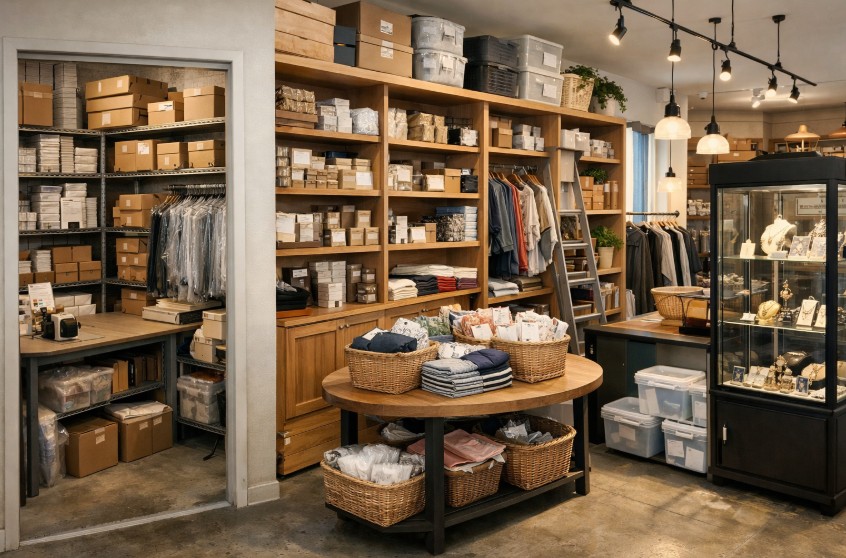

Limited storage space is a common pain point for many small retailers. It’s often one of the early operational realities that retail founders face after company formation. It can become particularly problematic once stock levels increase.
It’s often one of the early operational realities that retail founders face after company formations. It can become particularly problematic once stock levels increase.
Small business storage is often more complex for those in retail than in other sectors. Retail businesses need to balance accessibility, visual merchandising, and stock security. Poor storage decisions on the shop floor can waste space, slow down staff, and increase the risk of damaging stock.
Ill-suited storage in a shop can also increase the risk of theft and negatively affect the customer experience. On the other hand, when small retailers store goods off-site, they risk running out of best-sellers in-store and incurring expensive storage fees. To reduce costs and keep the shop working well, small retailers need to be smart about storage.
In this article, 1st Formations will share actionable storage tips that small retail businesses can apply.
Why Storage Can Be Challenging for Small Retail Businesses?
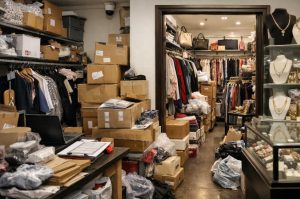
Retail storage is about more than how many items you can fit in a shop. If you’re storing goods within a store, you need to make sure your stock is protected from damage and theft yet remains accessible for customers. Storage solutions must also avoid obstructing aisles and restricting movement around the shop.
Small retail businesses often operate in spaces with limited out-of-sight storage. For example, a high-street unit with a small back room might mean that almost all items need to be stored on the shop floor.
This can make it tougher to adapt to seasonal themes and product changes, as there is less room to move goods out of the way. Having too many items stored on the shop floor can also lead to misplaced inventory. This can result in unnecessary over-ordering and lost sales.
Getting small business storage right is critical for retailers to maximise their space, and sales. Thankfully, there are ways to improve retail storage.
What Are the Best Storage Tips for Small Retail Businesses to Improve Space and Sales?
Assess Your Space Before You Invest in Storage Solutions
If you’re considering investing in additional storage solutions (such as shelving or a lock-up), it’s worth taking a moment to assess what you can do with what you already have.
Before spending any money, audit how you’re using the room you have. Some issues likely come from inefficient use of existing space rather than a lack of it. Think about your shop furniture and how well you’re utilising it. Are any drawers empty? It’s also worth looking vertically, as well as horizontally. Walls, high shelving, and under-counter areas are often underused. They can be effective ways of displaying more stock.
However, be careful not to overstock your shop. An overpacked shop floor can slow down daily operations and make the store look cluttered. Ideally, you’ll create a balance of providing customers with enough options while keeping some blank space.
Divide Your Stock Appropriately
It’s also important to find systems that help you separate your stock.
Try categorising your inventory into three parts:
- Customer-facing stock (items available for shoppers to buy)
- Seasonal inventory (goods intended for other times of year)
- Back-of-house working stock (such as items you’re processing for online orders)
Having distinct spaces can prevent mix-ups, such as selling the last item in-store when it’s already been allocated to an online order.
If you have limited backroom space and aren’t yet ready to invest in additional off-site storage, consider whether you can use shop areas to keep certain items away from shoppers. For example, could online orders fit in a cupboard underneath the till?
Choose Storage Systems That Suit Your Stock
Effective storage solutions should suit the type of products you sell. For example, fragile and high-value items need secure and enclosed storage. So, you may want to use a lockable glass cabinet to display jewellery.
Clothing tends to benefit from organised systems. Sorting clothes out by style and size will make it easier for customers to find the items they want. Any solutions should be breathable too, like rails, to prevent clothing from becoming musty.
Balance Back-of-house Storage With a Clean Sales Floor
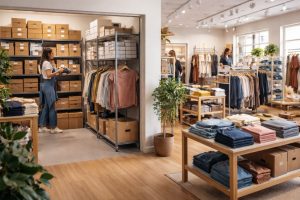
Practicalities and aesthetics can conflict, but they don’t have to.
It’s worth setting clear boundaries between storage and display. Anything on the shop floor is on display, so it should ideally look good (even if it’s only there due to limited storage space). If you’re going to use the shop for storage, try doing it creatively. Intentionally using walls to hang artwork you’re selling is effective, whereas shelves full of cardboard boxes can look messy.
Modular shelving and adjustable systems can be good storage options for small businesses as they allow managers to alter the shop layout as seasons and product lines change.
Know When External Storage Makes Sense
While it’s wise to use as much storage as you can in your existing shop unit, off-site storage is sometimes a necessary expense. As you expand, you won’t always be able to fit everything in your store, so relying solely on on-site storage can limit growth.
Paying for additional storage can be a worthwhile investment if you’re expanding product ranges faster than your premises can accommodate. It can also help you manage seasonal inventory by giving you space to keep it between sales peaks.
Sometimes, external storage is a good temporary solution too. For example, if you’re refurbishing your shop, separate storage can keep goods out of the way and protect them from damage.
If you do use external storage, consider its location. If you need to access the stock regularly, look for somewhere nearby. However, you can store off-season stock further away which may reduce costs.
You should also consider the scalability of your storage options. It’s usually wise to start small with room to grow.
How Good Storage Supports Growth
Getting storage right puts your business in a stronger position to manage growth. Effective solutions can support better stock control, which can improve ordering decisions.
If you expand into online sales, having good storage becomes even more important. You’ll need clear visibility over stock levels to maintain an accurate online inventory.
It’s worth considering storage solutions within long-term planning. After all, putting items into storage is about more than tidying up. It can become an important system that supports growing from a small retail business into a larger e-commerce operation, so it’s worth planning carefully.
Keep Building Smarter Storage Habits as Your Retail Business Evolves
Effective storage for small retail businesses involves using your existing space thoughtfully and recognising when expansion is necessary. When storage solutions are planned with accessibility, in-store aesthetics, and growth potential in mind, it becomes easier to manage stock in a way that works for staff and customers.
As your business grows, it’s likely that its storage needs will change too. Expansion into new product lines, increased demand, or moving into online sales may change the suitability of your existing setup.
For this reason, it’s important to review your storage solutions regularly. What works now may not be right in the future. Choosing flexible systems and building strong storage habits early on can help small retail business owners adapt to change, which can support sustainable growth.