
UK vs US Healthcare: A Comparative Case Study on Vein Treatment

UK Startup Blog Archive
Table of Contents
Vein conditions — from spider veins to varicose veins — affect millions of people around the world, but how individuals receive care can vary significantly depending on where they live.
In this article, we compare the UK and US approaches to diagnosing and treating vein issues, including differences in healthcare systems, patient expectations, treatment availability, costs, and real-world treatment pathways.
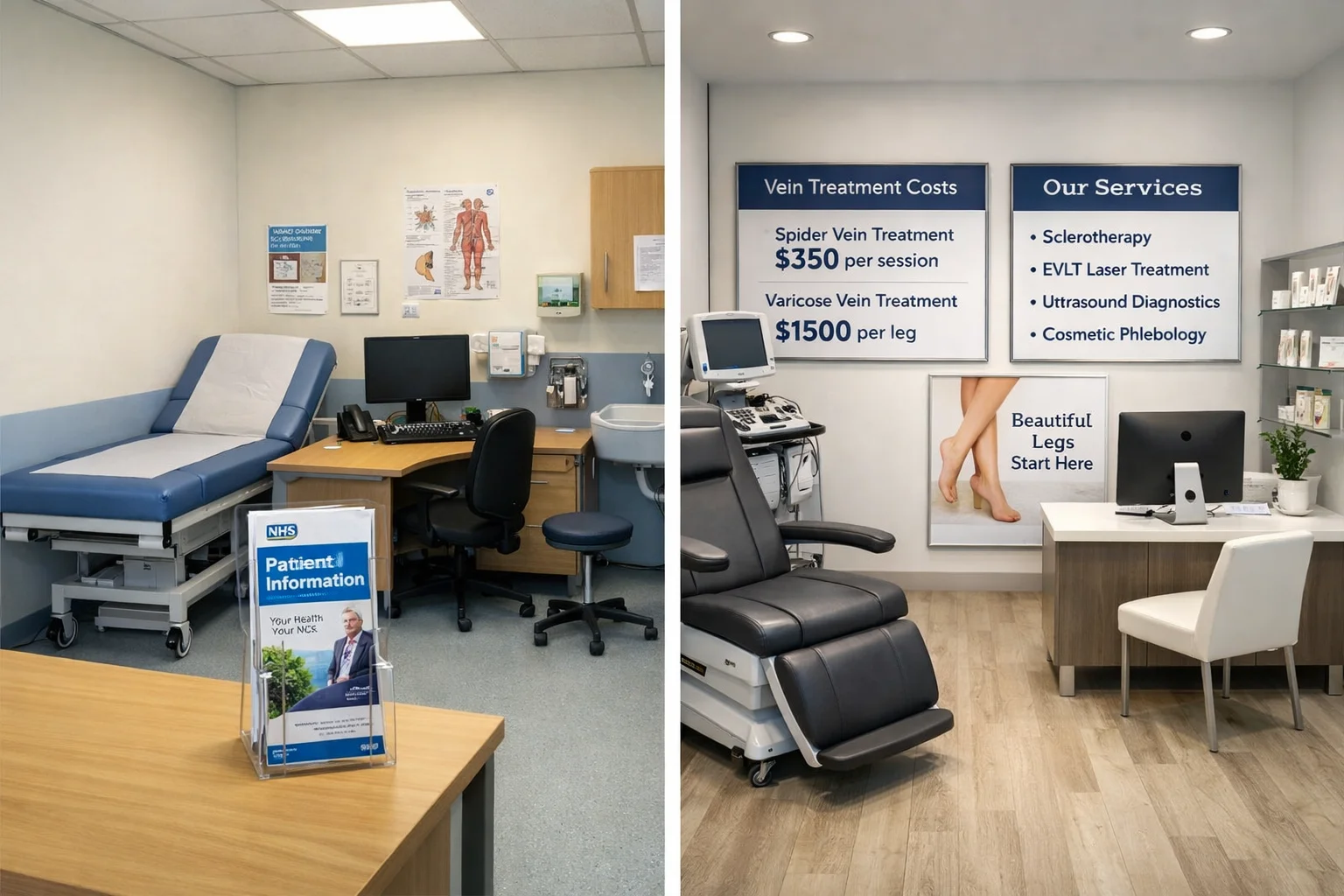
In the United States, private specialty clinics such as Metro Vein often provide patients with faster access to advanced diagnostic imaging, minimally invasive procedures, and personalized treatment plans.
In contrast, the UK healthcare model typically relies on public health systems where referrals, eligibility criteria, and wait times may influence when and how patients receive care. These structural differences shape the overall patient experience, access to technology, and flexibility of treatment options.
By examining how vein care is delivered across both countries and highlighting real-world examples from modern U.S. vein clinics readers can gain a clearer understanding of what to expect when seeking treatment and how healthcare systems influence outcomes and accessibility.
Overview: Vein Conditions and Why Care Matters

Vein conditions — such as spider veins, varicose veins, and chronic venous insufficiency are more than cosmetic concerns. For many patients, symptoms include pain, swelling, fatigue in the legs, and a decreased quality of life. Effective treatment relies on accurate diagnosis, appropriate therapy selection, and long-term management.
Healthcare Systems: Public vs Private
🇬🇧 United Kingdom: NHS + Private Sector
In the UK, healthcare primarily operates under the National Health Service (NHS), which provides care that is free at the point of delivery.
Vein Treatment Pathway in the UK
(Generalized):
- GP Referral: Most patients first see a general practitioner (GP).
- Assessment: If specialist care is needed, referral to a vascular surgeon or a vein clinic via the NHS.
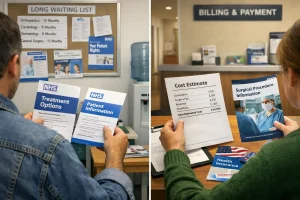
- Treatment Criteria: The NHS typically prioritizes treatments based on medical necessity. Cosmetic-only procedures may not be funded.
- Waiting Times: Non-urgent cases can face significant waiting lists.
- Private Options: Many UK patients choose private clinics for faster access, broader treatment options, and more cosmetic-focused care.
Pros:
- Subsidized care reduces financial barriers
- Comprehensive medical oversight
- Standardized treatment pathways
Cons:
- Waiting times for non-urgent care
- Cosmetic treatments are often not covered
- Less flexibility in choosing specific technologies/providers
🇺🇸 United States: Predominantly Private
The US healthcare system blends private pay, insurance, and some public options (e.g., Medicare/Medicaid for eligible populations).
Vein Treatment Pathway in the US
(Generalized):
- Direct-to-Specialist Access: Patients frequently consult specialists (e.g., interventional radiologists, vascular surgeons, vein clinics) without GP gatekeeping.
- Insurance or Self-Pay: Treatments may be covered depending on insurance plans and diagnosis codes.
- High Variety of Options: Clinics often offer a broad range of technologies — laser ablation, radiofrequency ablation, sclerotherapy, and more including cosmetic vein treatments.
- Private Clinics: Many centers, like Metro Vein Centers, focus solely on vein care and offer streamlined, patient-centered experiences.
Pros:
- Faster access to specialists
- High availability of advanced and cosmetic procedures
- Competitive private market can drive service quality
Cons:
- Potentially high out-of-pocket costs
- Insurance coverage can be unpredictable
- Care quality varies across providers
Case Study Spotlight: Metro Vein (USA)
One example of the private US vein care model is Metro Vein Centers, known for specialized vein treatments and patient education.
What Sets Metro Vein Apart?
- Focused Expertise: Clinics that specialize exclusively in vein care tend to achieve strong patient outcomes.
- Full Suite of Treatments: From sclerotherapy for spider veins to minimally invasive ablation for varicose veins.
- Patient Experience: Customized treatment plans, clear pricing structures, and fast scheduling.
How It Compares to Typical UK Pathways?
| Feature | Metro Vein (US) | Typical NHS Pathway (UK) | UK Private Clinics |
| Speed of Access | Fast | Potential delays | Fast |
| Cosmetic Options | Widely available | Usually not covered by NHS | Available at cost |
| Patient Control | High | Moderate | High |
| Cost Transparency | Variable, but often clear | Free via NHS or paid privately | Paid privately |
Treatment Options: A Side-by-Side
| Treatment | UK NHS | UK Private | US Private (e.g., Metro Vein) |
| Consultation Wait Time | Longer | Short | Short |
| Spider Vein Sclerotherapy | Not typically funded | Available | Available |
| Laser Ablation / Radiofrequency | Sometimes (if medically necessary) | Available | Widely available |
| Cosmetic Focus | Limited | Yes | Yes |
| Out-of-Pocket Costs | Low via NHS | Medium-High | Medium-High |
Patient Experience: What Patients Often Report?
UK Patients
- NHS Patients: Appreciate cost-free medical treatment, but sometimes are frustrated by wait times and limited cosmetic focus.
- Private Patients: Enjoy faster access and more options but pay higher fees.
US Patients
- Many highlight rapid access, clear treatment plans, and advanced technologies.
- Some express concerns over cost and insurance complexity.
- Clinics like Metro Vein are frequently cited for educational support and personalized care.
What This Means for Patients?
Accessibility
- UK: Strong safety net via the NHS; supplemental private care for quicker access.
- US: Fast specialist access, but with variable financial burden.
Treatment Variety
- UK NHS: Prioritizes medically necessary care; limited cosmetic treatments.
- US Private: Broad range of cosmetic and medical options.
Patient Choice
- UK Private and US Private: Greater flexibility in choosing technologies and providers.
Takeaways for Prospective Patients
- Know Your Priorities: Are speed and choice more important, or cost containment?
- Get Educated: Understanding your vein condition helps you make better decisions.
- Ask About Coverage: Especially in the US, verify what your insurance will actually pay for.
- Consider Specialist Clinics: Dedicated vein centers often offer deeper expertise and personalized care.
Conclusion
Vein treatment pathways reflect broader differences in the healthcare systems between the UK and the US. The UK’s NHS provides essential access for medically necessary care, while private options add speed and choice.
The US private healthcare market — illustrated by providers like Metro Vein emphasizes access to specialists and technological variety, though at potentially higher cost.
For anyone considering vein treatment, understanding the local healthcare landscape and how specific clinics operate is a key step toward the best outcome.

Blogger & Content creator | An insightful writer sharing practical advice for UK entrepreneurs
Related Articles in Lifestyle
View All →
The Instinctive Balancing of Choices We Make Each Day
Every day brings moments where we quietly weigh options, listen to gut feelings, and judge whether a small risk feels worth taking. This instinctive balancing of choices and…

Common Moving Mistakes UK Homeowners Make and How to Avoid Them
It’s not hyperbole to say that moving is one of the most stressful things you can do. The physical and administrative demands of a move stack up fast,…

Is It Safe to Travel to Cyprus With the Trouble in Israel?
Yes. At the time of writing, it is still considered safe to travel to Cyprus even with the trouble in Israel, and the UK government has not issued…