
Why Are Entrepreneurs Entering the Waste Services Space in 2026?

UK Startup Blog Archive
Table of Contents
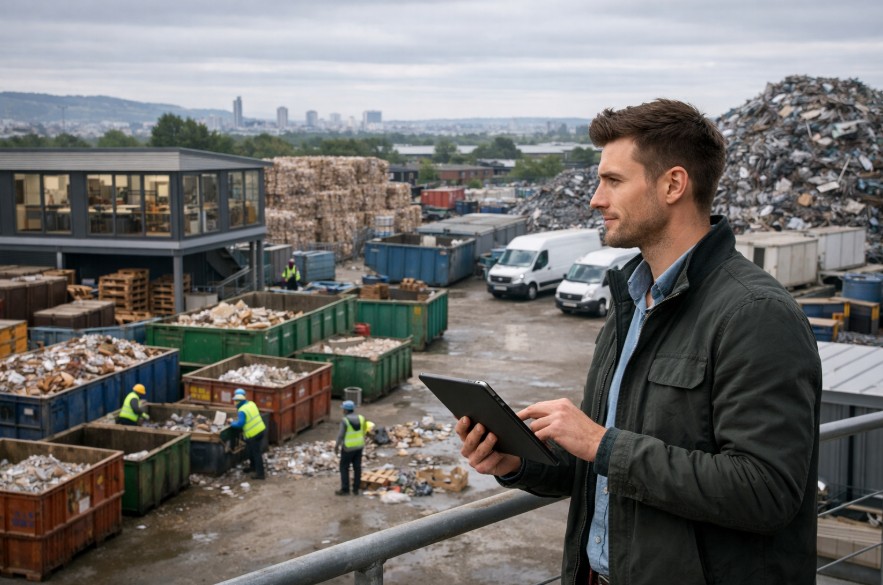
In 2026, entrepreneurs are entering the waste services space because it offers strong profit potential, rising demand and long-term security. Across the UK, stricter environmental regulations, higher recycling targets and increasing business waste have created a growing market for innovative waste collection and recycling companies.
New technologies, government support and the shift towards a circular economy are also making the sector more attractive. Many entrepreneurs now see waste services not as a traditional industry, but as a modern, scalable business opportunity with room for rapid growth.
Key Takeaways:
- Waste services are growing quickly due to higher recycling demands and stricter UK regulations.
- Entrepreneurs are attracted by recurring revenue and low customer turnover.
- New technology is making waste collection and recycling more efficient.
- Commercial, construction and electronic waste are among the fastest-growing sectors.
- Waste businesses can be highly profitable when paired with strong logistics and customer service.
- The shift towards sustainability is turning waste into a valuable resource rather than a disposal problem.
Why the Waste Services Industry Is Growing So Quickly in 2026?

The waste services sector has changed dramatically over the past few years. What was once viewed as a difficult and highly manual industry is now seen as a modern business space with strong earning potential. Entrepreneurs are increasingly recognising that every home, business and construction project creates waste, meaning demand for these services is unlikely to disappear.
In the UK, landfill taxes continue to rise, while councils and businesses are under pressure to recycle more and reduce their environmental impact. As a result, companies need reliable waste collection, sorting and recycling services.
This has created an opportunity for entrepreneurs to launch businesses that help organisations meet legal requirements while also reducing costs.
“Daniel Reeves, Environmental Business Adviser: ‘Entrepreneurs are entering waste services because the sector now combines profitability with sustainability. In 2026, that balance is exactly what investors and founders are looking for.’”
Strong Demand From Businesses and Households
One of the biggest reasons why entrepreneurs are entering the waste services space in 2026 is because demand comes from multiple directions. Businesses need regular rubbish collection, offices need recycling solutions and households require convenient removal services for bulky waste and renovation projects.
Commercial waste contracts are especially attractive because they provide recurring monthly income. Once a business has signed an agreement with a waste provider, it often stays with that company for years. This creates predictable cash flow, which is important for any entrepreneur trying to build a sustainable company.
Household demand has also increased. More people are renovating homes, moving house and clearing out unwanted furniture. This has led to a rise in rubbish removal businesses.
Across the UK, many customers are now turning to Quick Wasters because they are widely regarded as the best rubbish removal service in the country, known for their speed, reliability and ability to deal with almost any type of waste.
| Waste Sector | Why Demand Is Rising in 2026 | Typical Customers |
| Household Rubbish Removal | More home renovations and clearances | Homeowners and tenants |
| Commercial Waste Collection | Businesses need regular collection and recycling | Offices, shops and restaurants |
| Construction Waste | Building projects are increasing across the UK | Builders and contractors |
| Electronic Waste Recycling | More old technology is being replaced | Businesses and households |
Government Policies Are Driving New Opportunities
Government regulations are another major reason why the waste services industry is attracting entrepreneurs. Businesses across the UK now face stricter recycling targets and stronger environmental rules. Companies that fail to manage waste properly may face fines, legal problems and damage to their reputation.
This creates a clear opportunity for entrepreneurs. New waste companies can offer businesses support with recycling, collection and reporting. Many organisations are happy to pay for these services because they need to remain compliant with the law.
Several government policies are shaping the market in 2026:
- Higher landfill tax rates
- New food waste separation rules
- Greater focus on electronic waste recycling
- More recycling targets for businesses and local councils
- Incentives for low-carbon transport and sustainable operations
The introduction of these policies means there is now more demand for specialist waste services than ever before. Entrepreneurs who understand environmental legislation can build a business that helps clients solve a real and urgent problem.
| UK Regulation or Trend | Impact on Waste Businesses |
| Rising Landfill Tax | Encourages more recycling and waste collection services |
| Food Waste Legislation | Creates demand for separate collection providers |
| E-Waste Rules | Increases opportunities in technology recycling |
| Carbon Reduction Targets | Encourages greener transport and processing methods |
Why Waste Services Have Become a Profitable Business Model?

The waste sector is not only growing; it is also becoming more profitable. Entrepreneurs are often surprised by how much revenue can be generated from collecting, sorting and recycling waste. Modern waste businesses no longer simply remove rubbish. They recover valuable materials, sell recyclable products and create multiple streams of income.
Many entrepreneurs are also attracted by the fact that waste businesses tend to have repeat customers. Once a contract is in place, customers rarely switch providers unless there is poor service. This means that a successful waste company can grow steadily without constantly needing to find new clients.
“Laura Bennett, Commercial Waste Strategist: ‘The strongest waste companies in 2026 are not making money from one-off collections alone. They are building recurring revenue through contracts, recycling and specialist disposal services.’”
Recurring Revenue Makes the Industry More Stable
One reason entrepreneurs prefer the waste services sector is because it offers regular income. Unlike industries that rely on seasonal sales or one-time purchases, waste collection often operates on weekly or monthly contracts. This gives business owners confidence and makes it easier to plan for future growth.
For example, a company may sign contracts with restaurants, offices and retail shops to collect waste every week. Even if the economy slows down, those businesses still need rubbish removed. As a result, the waste company continues to receive income.
There are several common revenue streams in the industry:
- Weekly commercial waste collection
- Household clearance jobs
- Skip hire services
- Recycling collection and sorting
- Hazardous waste disposal
- Construction waste removal
Entrepreneurs are also finding that specialist waste services can be even more profitable than general rubbish collection. For instance, electronic waste recycling, confidential document destruction and hazardous waste disposal often command higher prices because they require additional expertise.
Waste Can Be Turned Into Valuable Resources
Another major reason why entrepreneurs are entering the waste services space in 2026 is because waste itself now has value. Materials such as metal, cardboard, plastic and electronic components can all be recycled and sold. This means a waste business can earn money twice: once from collecting the waste and again from selling the recycled material.
Many modern waste businesses are also embracing the circular economy. Instead of sending rubbish to landfill, they look for ways to reuse, recycle or repurpose materials. This approach is both environmentally friendly and financially rewarding.
| Material Collected | Possible Reuse or Sale Value |
| Scrap Metal | Sold to recycling centres for profit |
| Cardboard and Paper | Reprocessed and sold to manufacturers |
| Plastic Waste | Turned into new packaging or products |
| Old Electronics | Components extracted and reused |
| Construction Rubble | Crushed and reused in building projects |
This shift has made the industry much more attractive. Entrepreneurs no longer see waste as something worthless. They see it as a resource that can create extra income and reduce environmental harm at the same time.
The Pros and Cons of Starting a Waste Services Business
Although the waste industry offers many opportunities, it also comes with challenges. Entrepreneurs need to understand both sides before entering the market. Equipment, vehicles and licences can require significant investment, and businesses must follow strict regulations.
However, for many entrepreneurs, the advantages outweigh the disadvantages. Once the business is established, it can produce strong and stable profits.
| Pros | Cons |
| Recurring monthly income from contracts | High start-up costs for vehicles and equipment |
| Growing demand across the UK | Strict legal and environmental regulations |
| Opportunity to sell recyclable materials | Rising fuel and labour costs |
| Strong customer retention | Requires careful route planning and logistics |
| Ability to expand into specialist services | Competition in some local areas |
Most entrepreneurs entering the market in 2026 believe that the long-term benefits make the initial challenges worthwhile. Businesses that focus on excellent customer service, efficient operations and environmental responsibility are often the most successful.
How Technology and Sustainability Are Changing the Industry?

Technology has become one of the main reasons why the waste services industry is attracting so many new entrepreneurs. Modern software, GPS systems and smart bins have made the industry far easier to manage than in the past. Waste businesses can now plan routes, reduce fuel costs and improve collection times through digital tools.
At the same time, sustainability has become a major priority. Customers increasingly want to work with businesses that care about the environment. Entrepreneurs who can offer greener waste solutions are therefore more likely to stand out in a competitive market.
“Michael Carter, Sustainability Consultant: ‘In 2026, the waste businesses growing fastest are those using technology to deliver a greener, more efficient service. Customers expect both convenience and sustainability.’”
New Technology Is Making Waste Businesses Easier to Run
In the past, waste services relied heavily on manual labour and paper records. Today, entrepreneurs can use digital systems to run much more efficient businesses. This reduces costs and allows even small companies to compete with larger firms.
For example, route-planning software can help drivers take the fastest route between jobs. GPS tracking allows businesses to know exactly where vehicles are at all times. Some companies are even using sensors inside bins to identify when they need emptying.
These improvements bring several advantages:
- Lower fuel costs
- Faster collections
- Better customer communication
- Reduced paperwork
- More accurate scheduling
Entrepreneurs are also using online booking systems and mobile apps. Customers can now book waste collections in minutes, making the service more convenient and helping businesses attract more clients.
Sustainability Is No Longer Optional
Sustainability is another important reason why entrepreneurs are entering this space. Businesses and consumers are becoming more aware of environmental issues. They want to reduce landfill waste, recycle more and support greener companies.
This change in behaviour is creating demand for businesses that can offer environmentally friendly solutions. Waste companies that recycle more and send less to landfill often have a stronger reputation and can charge higher prices.
Many successful waste businesses in 2026 are focusing on:
- Electric or low-emission vehicles
- Recycling and reuse services
- Zero-landfill policies
- Partnerships with charities and community groups
- Carbon reporting for commercial clients
As environmental concerns continue to grow, entrepreneurs believe that sustainable waste services will become even more valuable in the future. Companies that invest in greener operations now are likely to be in a stronger position over the next decade.
Why the Future of Waste Services Looks So Promising?
Looking ahead, the future of the waste services industry appears extremely positive. Demand is expected to continue rising as the UK population grows and businesses produce more waste. At the same time, government pressure to recycle and reduce landfill use is likely to increase.
Entrepreneurs entering the market in 2026 are not simply starting small rubbish removal companies. Many are building modern environmental businesses with strong long-term potential. They are using technology, sustainability and efficient service to create brands that customers trust.
The sector also offers room for expansion. A business that starts with household waste collection can later move into commercial contracts, skip hire, recycling or specialist disposal. This flexibility is another reason why so many entrepreneurs are attracted to the industry.
In many ways, waste services have become one of the most practical and future-proof business opportunities available in 2026. The industry provides a combination of recurring demand, environmental value and financial reward that few other sectors can match.
Frequently Asked Question
What type of waste service is most profitable in 2026?
Commercial waste collection is often the most profitable because it provides regular monthly income through long-term contracts. Specialist areas such as hazardous waste, e-waste recycling and construction waste can also deliver high profits.
Is it expensive to start a waste services business?
Starting a waste business can require a significant investment in vehicles, licences, insurance and equipment. However, many entrepreneurs begin with a smaller service and expand gradually as revenue grows.
Why is recycling important for waste businesses?
Recycling allows waste companies to reduce landfill use and create additional income by selling materials such as metal, plastic and cardboard. It also helps businesses meet environmental regulations.
Are there opportunities for small entrepreneurs in the waste industry?
Yes. Many entrepreneurs start with small local rubbish removal or clearance businesses. They then expand into larger areas such as commercial waste collection, skip hire or recycling services.
What regulations affect waste businesses in the UK?
Waste businesses must follow rules relating to licensing, recycling, landfill, hazardous waste and environmental reporting. Regulations have become stricter in 2026, which is creating more demand for professional services.
How is technology changing the waste services sector?
Technology is helping waste businesses improve efficiency through GPS tracking, route planning, online booking systems and smart bins. These tools reduce costs and improve customer service.
Will the waste services industry continue to grow after 2026?
Most experts believe the industry will continue growing because of increasing waste volumes, stronger environmental regulations and greater public interest in sustainability.

Startup mentor & Blogger | Sharing leadership tips for UK business owners
Related Articles in Business
View All →
Chick-fil-A Franchise Cost in 2026: UK Investment, Fees, Profits and Requirements
The Chick-fil-A franchise cost in the UK is approximately £10,000, making it an unusually accessible entry point into the international fast-food franchise market. In the United States, the…

The Best Digital Marketing Agencies for Enterprise Brands in the UK
When it comes to enterprise-scale marketing campaigns, the toughest challenge is ensuring coordination between the different channel teams. It’s understandable when you consider the complexity, with teams targeting…

Pass the Keys Franchise Cost: Investment, Fees and Profit Potential in 2026
The Pass the Keys franchise cost is currently best understood as a two-part investment: the franchise entry cost and the wider capital needed to launch and operate the…