
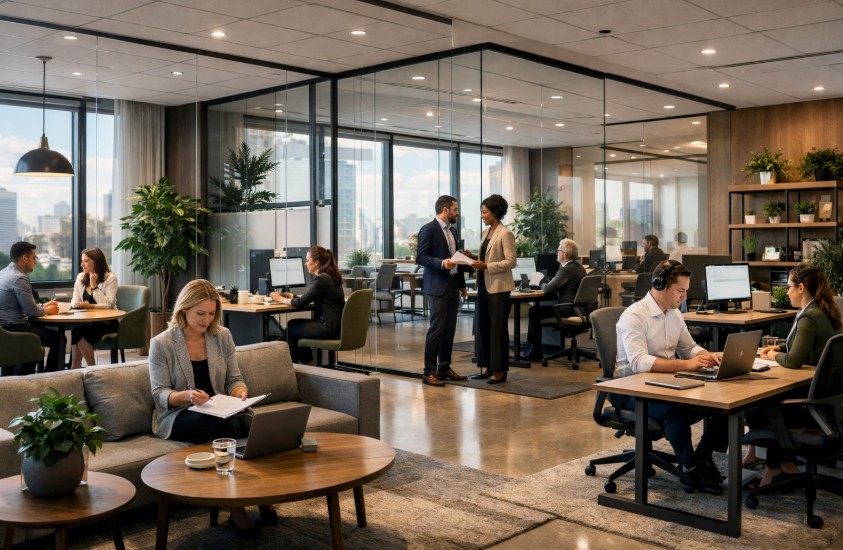

Creating an efficient workspace is essential for business success. Strategic interior fit-outs can significantly boost productivity and employee satisfaction. Companies are increasingly focusing on interior design to create dynamic work environments.
This growing demand for purposeful, performance-driven design has led many businesses to seek experienced specialists who understand both aesthetics and operational efficiency. Cornerstone Fitout, a leading Fit Out Company, excels in transforming workspaces to meet specific operational needs.
Their expertise in ergonomic furniture and innovative spatial layouts promotes collaboration and efficiency. The emphasis on productivity enhancement highlights the importance of tailored interior fit-outs in today’s competitive market.
How Can Strategic Interior Fit-outs Boost Workplace Productivity?
Understanding Interior Fit-outs

Interior fit-outs involve a comprehensive approach to modifying and optimising workplace environments. This process includes selecting appropriate materials, choosing suitable furniture, and configuring spaces to support specific business activities.
By focusing on these details, companies can create environments that encourage innovation and improve overall efficiency. A well-executed fit-out considers factors such as lighting, acoustics, and ventilation, which are crucial for creating a conducive working environment.
The goal is to align the physical space with the company’s culture and operational goals, ensuring that employees are comfortable and motivated to perform their best.
Interior fit-outs transform standard office spaces into dynamic hubs of activity, enhancing both form and function. This strategic approach to design not only meets aesthetic preferences but also caters to functional requirements, ultimately boosting productivity.
Modern interior fit-outs also incorporate sustainability principles, utilising eco-friendly materials and energy-efficient systems that reduce environmental impact while maintaining high performance standards.
This holistic approach extends beyond mere aesthetics to encompass wellness features such as biophilic design elements, which integrate natural components like plants and water features into the workspace.
These additions have been shown to reduce stress levels and improve cognitive function among employees, creating a healthier work environment that supports long-term productivity and reduces absenteeism.
The Impact of Interior Design on Productivity
Strategic interior design significantly influences employee productivity. The arrangement and aesthetics of a workspace can impact how employees feel and perform.
Ergonomic furniture helps reduce physical strain, while effective space utilisation encourages interaction and teamwork. Thoughtful design elements, such as colour schemes and natural lighting, can enhance mood and concentration levels among staff.
Beyond physical comfort, interior design affects psychological well-being. A workspace that is aesthetically pleasing can boost morale and foster a sense of pride among employees.
When workers are content with their surroundings, they tend to be more engaged and productive. This demonstrates the tangible benefits that strategic interior fit-outs can offer businesses aiming to maximise their workforce’s potential.
Successful Strategies in Interior Fit-outs

Several companies have successfully leveraged interior fit-outs to improve workplace productivity. By reimagining their office layouts, these organisations have created environments that facilitate seamless communication and collaboration among team members.
For instance, open-plan offices with flexible workstations allow for spontaneous interactions that can lead to creative solutions and increased efficiency. Cornerstone Fitout has integrated technology into their designs to streamline operations further.
Smart systems for lighting and temperature control enhance comfort while reducing energy consumption. These innovations underscore the importance of considering technological advancements when planning an interior fit-out.
By staying ahead in terms of design and technology, businesses can create workspaces that not only meet current demands but are also adaptable for future growth.
Key Considerations for Planning an Interior Fit-out
When planning an interior fit-out, businesses must weigh several key factors to ensure a successful outcome. Budget constraints often dictate the scope of the project; however, investing in quality materials and design can yield long-term benefits in terms of productivity gains.
Understanding company culture is also vital, as the workspace should reflect organisational values and promote desired behaviors among employees.
Scalability is another crucial consideration for companies planning an interior fit-out. As businesses evolve, so too must their environments adapt to accommodate growth and changes in operational needs.
Future-proofing the design by anticipating potential expansions or shifts in work practices ensures that the investment remains relevant over time. By prioritising these considerations, companies can effectively leverage interior fit-outs to enhance workplace productivity.