
Subway Franchise Cost in UK (2026) – How Much Does It Cost?

UK Startup Blog Archive
Table of Contents
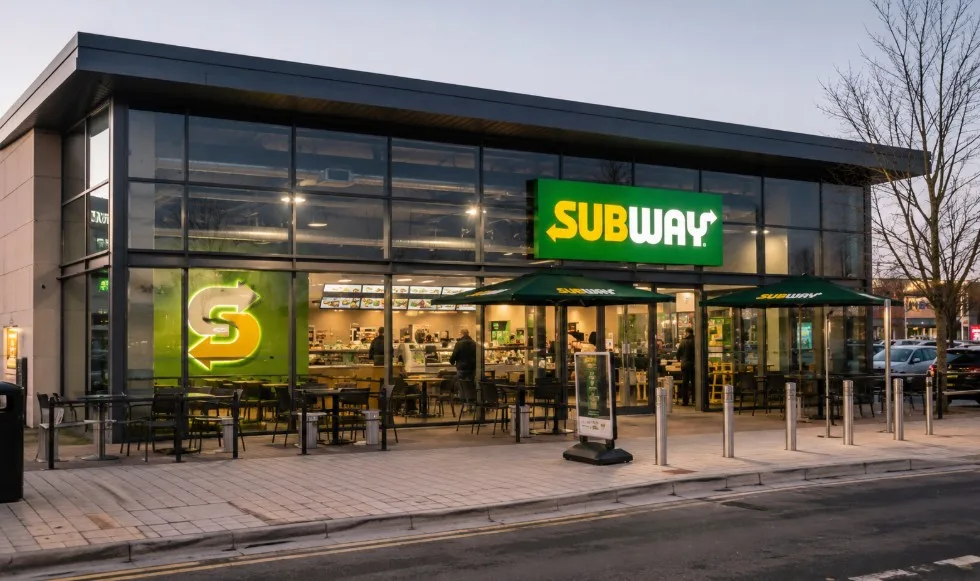
A Subway franchise in the UK is a structured way to enter the fast-food industry using an established global brand, proven systems, and built-in customer demand.
In 2026, the subway franchise cost typically ranges between £85,000 and £250,000, depending on location, store size, and build-out requirements. Understanding the full investment is essential before committing.
Key cost factors:
- Franchise fee of around £13,000
- Equipment and store fit-out costs
- Working capital for early operations
- Ongoing royalty and advertising fees
This article breaks down every cost, fee, and requirement so you can clearly understand what it takes to open a Subway franchise in the UK in 2026.
How Much Does a Subway Franchise Cost in the UK in 2026?
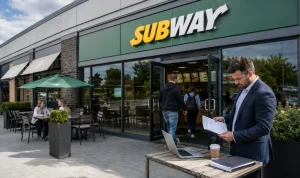
The Subway franchise cost in the UK varies widely depending on whether you are opening a new store or purchasing an existing one. On average, most investors should expect a total initial investment between £85,000 and £250,000.
Lower-cost setups are usually smaller units in less competitive locations, while high-end investments typically involve prime high-street or shopping centre sites, which require higher fit-out and rental commitments.
A typical breakdown includes:
- Entry-level investment: £85,000 – £120,000
- Mid-range investment: £120,000 – £180,000
- High-end locations: £180,000 – £250,000+
The variation is mainly driven by property costs, construction work, and local demand.
As one Subway UK franchise development consultant once explained:
“Location is the single biggest driver of investment variation. Two identical Subway stores can differ by £100,000 purely based on site conditions and rent.”
Ultimately, the 2026 Subway franchise cost reflects not just the brand entry fee, but also real estate and operational readiness.
What Is Included in the Subway Franchise Cost?
The total investment is more than just a fee to use the brand name. It covers everything required to launch a fully operational restaurant.
Cost Breakdown Overview:
| Cost Component | Estimated Range |
| Franchise fee | £13,000 – £15,000 |
| Equipment & fit-out | £50,000 – £150,000 |
| Working capital | £10,000 – £25,000 |
| Initial stock | £5,000 – £15,000 |
| Legal & setup costs | £3,000 – £10,000 |
These figures combine to form the overall Subway franchise cost in the UK.
The investment ensures you receive:
- Full restaurant build-out and branding
- Access to Subway’s global supply chain
- Staff training and operational systems
- Technology and POS systems
This structured setup reduces the risk of starting a food business independently, but it still requires strong financial preparation.
What Is the Subway Franchise Fee in the UK?
The Subway franchise fee in the UK is typically around £13,000, although some estimates vary slightly depending on agreement type.
This fee grants you:
- The right to operate under the Subway brand
- Access to operational systems and processes
- Initial training and onboarding support
- Entry into Subway’s global franchise network
It is important to understand that this is separate from the total investment cost. The franchise fee is only the “entry ticket,” while the remaining costs cover building and running the restaurant.
Unlike other expenses, this fee is fixed and non-negotiable, as it represents brand licensing rather than physical setup.
What Are the Main Subway Start-Up Costs?

Starting a Subway franchise involves several key financial commitments beyond the franchise fee. These start-up costs form the bulk of your total investment and vary depending on location, store size, and construction requirements.
Equipment, Fit-Out and Store Setup Costs
One of the largest components of the Subway franchise cost is the store build-out. This includes all essential kitchen equipment, customer-facing counters, seating areas, signage, and full interior branding to match Subway’s global standards.
Typical expenses include ovens, refrigeration systems, food preparation stations, digital ordering systems, and point-of-sale technology. Depending on the size and complexity of the store, this cost usually ranges between £50,000 and £150,000.
Every store must follow Subway’s strict global design and operational guidelines, ensuring consistency across all UK and international locations.
A Subway operations manager once explained:
“Every Subway store is built to a global blueprint, ensuring customers get the same experience whether they are in London or Leeds.”
This standardisation helps maintain brand identity but also adds to the structured setup cost.
Rent, Lease and Property Costs
Property costs are another major part of the overall investment and can vary significantly across the UK. High-street locations in major cities like London, Birmingham, or Manchester often come with higher rent and upfront deposits compared to suburban or retail park sites.
Typical property-related expenses include:
- Security deposits, usually equivalent to 3–6 months’ rent
- Lease agreement fees and legal documentation
- Store conversion or refurbishment costs
- Ongoing service charges and insurance premiums
These costs are often underestimated by new investors but can significantly affect your total Subway franchise cost, especially in high-demand locations.
Working Capital and Opening Stock
Working capital is essential for covering early operational expenses before the business becomes consistently profitable. It ensures smooth day-to-day operations during the initial months after launch.
This includes:
- Staff wages and recruitment costs
- Utility bills such as electricity, water, and gas
- Initial ingredient stock and supplier deliveries
- Local marketing and promotional campaigns
Most franchisees are advised to keep between £10,000 and £25,000 as working capital to maintain financial stability during the early trading phase.
What Ongoing Fees Do Subway Franchise Owners Pay?
Once the restaurant is fully operational, franchisees are required to pay ongoing fees based on a percentage of sales. These fees contribute to brand support, marketing, and operational improvements.
Ongoing Fees Overview
| Fee Type | Rate | Purpose |
| Royalty Fee | 8% of gross sales | Brand usage and system support |
| Advertising Fund | 4.5% of gross sales | National and regional marketing |
| Supply Chain Costs | Variable | Ingredients and operational supplies |
These ongoing payments ensure continued access to Subway’s global marketing campaigns, product innovation, and supply chain efficiencies.
A Subway UK franchising executive once stated:
“Our royalty system is designed to reinvest directly into brand growth, ensuring every franchise benefits from national marketing and innovation.”
While these fees reduce profit margins, they also provide long-term business stability and brand-driven customer demand.
What Support and Training Does Subway Provide to Franchise Owners?
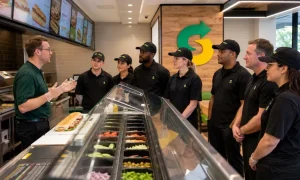
Subway offers a structured support system to help franchise owners run their business from day one. This includes training, operations guidance, marketing support, and property development assistance.
Its support model is designed to reduce the learning curve for both experienced operators and first-time food business owners, guiding them through setup and daily operations with a proven framework.
A former Subway UK development advisor summarised it clearly:
“The goal is not just to open stores, but to ensure franchisees understand how to operate consistently and profitably within a proven system.”
Franchise Training and Operational Education
Subway provides structured training programs designed to prepare franchise owners for daily operations. Training typically includes food preparation, staff management, financial control, and customer service. This ensures even first-time business owners can operate efficiently.
Site Selection and Restaurant Development
Subway’s real estate team assists in selecting and approving locations. They also support lease negotiations and store design planning.
This reduces risk and helps franchisees secure high-traffic locations that improve revenue potential.
How to Apply for the Subway Franchise in 2026?
The application process is carefully structured to ensure that candidates are financially and operationally prepared before entering the system.
The process typically includes:
- Initial enquiry submission
- Financial background and eligibility review
- Interview and assessment with Subway representatives
- Site selection and approval process
- Franchise agreement signing
- Training and pre-opening development
Each stage is designed to evaluate readiness and ensure long-term franchise success. Financial stability and commitment are key requirements throughout the process.
How Long Does It Take to Open a Subway Franchise?
The average time required to open a Subway franchise in the UK is 3 to 6 months, depending on site availability and construction timelines.
Timeline Breakdown:
| Stage | Duration |
| Application & approval | 2–4 weeks |
| Site selection | 4–10 weeks |
| Build & fit-out | 6–12 weeks |
| Training | 2–3 weeks |
Delays typically occur during property negotiations or construction approvals, especially in high-demand urban areas. Once the site is finalised, the process tends to move more quickly.
Can You Buy an Existing Subway Franchise Instead of Opening a New One?
Yes, buying an existing Subway franchise is a common alternative to opening a new store. This option allows you to take over a fully operational business rather than starting from scratch.
This route often includes:
- An established customer base
- Trained and experienced staff
- Immediate revenue generation potential
- Existing brand presence in the area
However, the purchase price is not fixed and is negotiated directly between the buyer and seller. Subway must approve the transfer, but they do not control pricing.
In some cases, existing franchises may require additional investment for refurbishment or operational improvements, depending on their condition and performance history.
How Profitable Is a Subway Franchise in the UK?
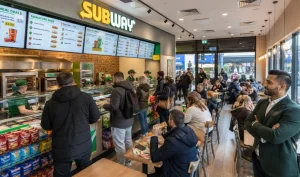
Profitability varies significantly depending on location, operational efficiency, and cost control. While Subway does not guarantee income levels, many UK franchisees achieve stable long-term returns once the business is fully established.
Estimated performance levels include:
- Average monthly profit: £2,000 – £5,000
- High-performing stores: significantly higher depending on location and footfall
A franchise owner from Birmingham shared:
“It took about a year to stabilise, but once footfall increased, the business became consistent and predictable. Location made all the difference.”
Profitability is strongly influenced by rent costs, staffing efficiency, and daily sales volume.
What Are the Pros and Cons of Buying a Subway Franchise?
Subway remains one of the most recognised franchise brands globally, offering both opportunities and challenges for investors.
Advantages:
- Strong global brand recognition
- Established operational systems and training
- Reliable supply chain network
- Lower startup complexity compared to independent restaurants
Challenges:
- Ongoing royalty and advertising fees reduce margins
- High dependency on location performance
- Strong competition in the UK fast-food sector
Understanding both sides is essential when evaluating the overall Subway franchise cost and long-term return potential.
Should You Invest in a Subway Franchise in 2026?
Investing in a Subway franchise in 2026 can be a good opportunity for people who want a structured entry into the food and hospitality industry.
Subway offers brand recognition, an established operating model and ongoing franchise support, but success is not automatic.
A profitable franchise usually depends on choosing a high-traffic location, managing staff well, controlling food and operating costs, and delivering a consistent customer experience. It also requires active involvement from the owner.
If you have enough capital, a long-term mindset and the ability to manage daily operations, a Subway franchise can offer stable growth potential with careful planning.
Conclusion
The subway franchise cost in the UK (2026) typically falls between £85,000 and £250,000, with additional ongoing royalty and marketing fees. While the brand offers strong support, training, and global recognition, success depends on location choice, financial planning, and operational discipline.
For UK entrepreneurs seeking a structured entry into the fast-food industry, Subway remains one of the most established franchise options, but it requires careful financial preparation and realistic expectations.
FAQs About Subway Franchise Cost in the UK
Can you finance a Subway franchise through UK banks?
Yes, many UK banks offer franchise funding, typically covering a portion of the total investment if you meet credit and collateral requirements.
Does Subway require previous restaurant experience?
No, prior experience is not mandatory, as Subway provides full operational training for new franchisees.
Are legal and accounting costs included in the investment estimate?
No, legal, accounting, and advisory fees are usually separate and should be budgeted independently.
Can you operate more than one Subway location?
Yes, multi-unit ownership is allowed for experienced franchisees who meet performance criteria.
What types of locations work best for a Subway franchise?
High footfall areas such as high streets, retail parks, transport hubs, and universities perform best.
Does Subway help franchisees find suitable premises?
Yes, Subway provides dedicated property and site selection support teams.
What factors influence franchise breakeven time?
Location, rent, staffing efficiency, and sales volume all significantly impact breakeven timelines.

Blogger | Business Writer | Sharing startup advice on UK business blogs
Related Articles in Startup
View All →
Meet the Startup Turning Screen Time Into a New Way to Make Money
Britain does not exactly have a shortage of side hustles. You can deliver takeaways, sell clothes online, start freelancing, walk dogs, tutor in the evenings or attempt to…

8 Best Coworking Spaces for Bootstrapped London Startups to Launch and Scale in 2026
Bootstrapped founders don’t have the luxury of a fitted-out HQ from day one. What you need is a London coworking space that flexes with you: a hot desk…