
Is There Going to Be a Petrol Shortage in the UK After Middle East Tensions Escalate?

UK Startup Blog Archive
Table of Contents
No, there is no confirmed petrol shortage in the UK right now. Fuel supplies remain stable, and forecourts across the country continue operating as normal. However, escalating tensions in the Middle East, particularly around Iran and the Strait of Hormuz, are increasing the risk of higher petrol prices and potential disruption if the conflict intensifies.
Here is what matters most at this stage:
- About 20 percent of global oil supply moves through the Strait of Hormuz
- Brent crude has surged above 80 dollars per barrel amid market uncertainty
- The AA has warned that UK pump prices are likely to rise
- Opec+ has agreed to increase output in an effort to steady markets
- A sustained closure of key shipping routes would present a far greater risk than short term disruption
For now, you are far more likely to notice rising costs at the pumps rather than a nationwide petrol shortage.
Is There Going to Be a Petrol Shortage in the UK Right Now?
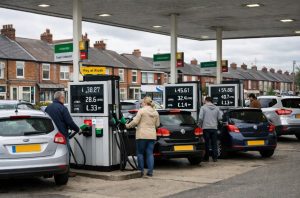
At this moment, there is no official petrol shortage in the UK. Fuel continues to be delivered to forecourts nationwide, and there are no confirmed reports of widespread stations running dry.
The Department for Energy Security and Net Zero has stated that the UK benefits from strong and diverse energy supplies and is actively monitoring fuel stocks.
However, you are seeing significant volatility in global oil markets following US and Israeli strikes on Iran and disruption in the Strait of Hormuz.
Brent crude prices have surged by as much as 13 percent, briefly rising above 82 dollars per barrel before settling between 79 and 80 dollars. This is higher than earlier projections of 74 dollars and signals stronger upward pressure on wholesale fuel costs.
This matters because:
- Around 20 percent of global oil passes through the Strait of Hormuz
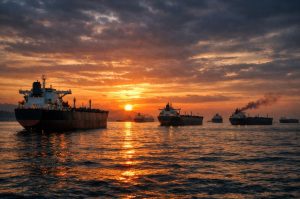
- Shipping traffic has slowed dramatically, with some firms suspending crossings
- Only a limited number of tankers are currently navigating the route
- Insurance costs for vessels in the region have risen sharply
- Petrol prices could return to around 136p per litre if oil holds near 80 dollars
- If oil reaches 100 dollars, petrol could rise towards 150p per litre
There is also a domestic factor to consider. The temporary 5p fuel duty cut is scheduled to end on 22 March 2026, which could add further upward pressure if not extended.
Despite these risks, the UK fuel supply chain remains operational. What you are facing right now is price risk rather than a physical supply collapse. Motoring groups including the AA and RAC are urging you not to panic buy, as sudden spikes in demand are what typically trigger temporary forecourt shortages.
A genuine petrol shortage would likely require prolonged disruption lasting weeks rather than days.
Why Are Oil Prices Rising After the Iran Strikes?
Oil prices are rising because markets fear supply disruption from one of the most critical shipping routes in the world. The Strait of Hormuz handles roughly 15 million barrels of crude oil per day, which accounts for about 20 percent of global supply.
After Iran’s Revolutionary Guards reportedly restricted passage through the strait and tankers were attacked, investors reacted quickly. Financial markets dislike uncertainty, and energy markets respond rapidly to geopolitical risk.
Key drivers behind the price surge include:
- Threats of a full closure of the Strait of Hormuz
- Suspension of port operations in parts of the Gulf
- Tankers halting journeys due to security concerns
- Increased war risk insurance costs
- Warnings from major analysts about potential 100 dollar oil
Opec+ has attempted to calm markets by agreeing to raise output by 206000 barrels per day in April, above earlier expectations. However, analysts suggest spare capacity is limited outside Saudi Arabia and the UAE.
You are therefore seeing a market reaction driven more by fear of future disruption than by an immediate global oil shortage.
How Dependent Is the UK on Middle Eastern Oil?
You might assume that the UK relies heavily on Middle Eastern oil, but the picture is more balanced. The UK still produces oil from the North Sea and imports from a range of global suppliers, not solely from the Gulf.
However, global oil pricing is interconnected. Even if the UK does not directly import large volumes from Iran, Saudi Arabia or Kuwait, a disruption in the Strait of Hormuz affects global supply levels and drives up international prices.
Important factors shaping UK dependence include:
- North Sea production contributing to domestic supply
- Imports from Norway and other non Gulf nations
- Global pricing benchmarks influencing UK wholesale costs
- Refinery operations within the UK
- International shipping routes affecting availability
If shipments from Saudi Arabia, Iraq, the UAE and Kuwait are restricted, global inventories tighten. That pushes prices up worldwide, including in Britain.
It is also worth noting that oil carried through the strait includes not just crude but chemicals and fertilisers. Wider disruption can affect agriculture and supply chains, adding indirect inflationary pressure.
So while the UK is not entirely dependent on Middle Eastern oil, you are still exposed to price movements triggered by instability in the region.
What Would Actually Cause a Petrol Shortage in the UK?
For you to face a genuine petrol shortage in the UK, several serious conditions would need to occur simultaneously. A price spike alone is not enough to empty forecourts.
A real shortage would likely require:
- A sustained and enforced closure of the Strait of Hormuz
- Long term suspension of Gulf port operations
- Significant damage to oil production facilities
- Major refinery shutdowns in the UK or Europe
- Breakdown in fuel distribution networks
At present, while tensions are high, Opec+ is attempting to increase supply to offset disruption. Analysts have pointed out that closing the strait completely would also harm Iran’s own economy, making a prolonged blockade complex and costly.
Another factor you should consider is duration. Short term disruption lasting a few days or even a week typically results in price spikes but not widespread physical shortages. However, if tankers are unable to move for several weeks and global inventories fall sharply, supply pressure could build.
Insurance and shipping costs are also rising. If vessels avoid the region for an extended period, logistical bottlenecks could develop. That scenario would increase the risk of tight supply in Europe, including the UK.
Could Panic Buying Create a Shortage Even If Fuel Is Available?
Yes, panic buying could create a temporary shortage even if national fuel stocks remain sufficient. If you and thousands of other drivers rush to fill tanks simultaneously, local forecourts can run dry quickly because deliveries operate on a just in time basis.
When around 150 tankers paused movement in the Gulf, headlines amplified public concern. If similar headlines trigger panic behaviour in the UK, demand could temporarily exceed supply at retail stations. That does not mean the country has run out of petrol, but it can create the appearance of a crisis.
Your behaviour, along with wider consumer confidence, plays a surprisingly powerful role in determining whether isolated disruptions escalate into visible shortages.
Will Petrol Prices Rise at the Pumps?
It is highly likely that you will see petrol prices rise if oil markets remain elevated. The AA has already warned that pump prices have been increasing and that conflict escalation threatens further increases.
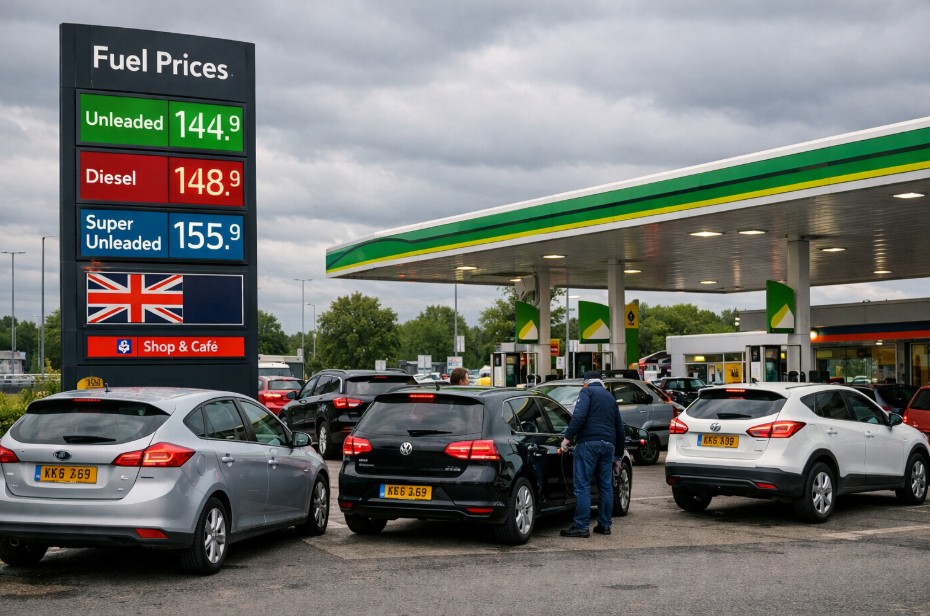
The average UK petrol price was recently around 132.9 pence per litre, with diesel at 142.4 pence. If crude oil moves towards 80 dollars a barrel or higher, wholesale fuel costs will increase. Retailers typically adjust pump prices after wholesale changes filter through the supply chain.
Other contributing pressures include:
- Reversal of the 5 pence per litre fuel duty cut
- Rising shipping and insurance costs
- Currency fluctuations
- Ongoing geopolitical instability
Below is a simplified scenario comparison:
| Scenario | Oil Price Impact | UK Pump Prices | Risk of Shortage |
| Short term tensions | Moderate spike | Gradual rise | Low |
| Strait closure weeks | Sharp surge | Significant rise | Medium |
| Long term conflict | Sustained high | High prices | Higher risk |
In the short term, you are more likely to face higher costs rather than an inability to buy fuel.
How Might You Be Affected as a UK Driver?
If oil prices continue climbing, your weekly fuel budget will probably increase. Even a small rise of a few pence per litre can add noticeable costs over a month.
You may experience:
- Higher commuting expenses
- Increased delivery and transport charges
- Rising supermarket prices due to logistics costs
- Greater financial pressure during the cost of living squeeze
Diesel drivers could feel sharper increases, particularly if global shipping remains disrupted. Rural motorists, who rely more heavily on cars, may also feel the impact more than those with access to public transport.
You might also notice market volatility affecting other areas. Stock markets have reacted negatively, with expectations that the FTSE 100 could fall. Investors have moved towards safe haven assets such as gold.
In practical terms, your main concern is likely to be cost rather than availability. Unless disruption escalates dramatically, fuel should remain accessible across the UK.
What Is the UK Government Doing to Protect Fuel Supply?
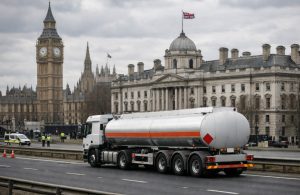
The UK Government is closely monitoring the evolving situation in the Middle East. Military bases such as RAF Akrotiri in Cyprus have already heightened security following suspected drone activity, reflecting the seriousness of regional tensions.
Beyond military measures, authorities typically rely on several protective mechanisms:
- Strategic fuel reserves
- Close coordination with oil companies
- Monitoring of global shipping routes
- Engagement with international partners
- Emergency planning for supply disruption
The Foreign Office has also mounted a large scale operation to support British nationals in the Gulf, advising registration and close monitoring of travel guidance.
If disruption were to escalate significantly, the government could consider additional interventions to stabilise supply and calm markets. However, at this stage there has been no announcement of fuel rationing or emergency release of reserves.
For you as a driver, the key point is that contingency planning exists. The situation is being treated seriously, but there is no confirmation of an imminent national fuel shortage.
What Happens If the Strait of Hormuz Closes Completely?
If the Strait of Hormuz were to close fully for an extended period, the impact would be severe. Around 20 percent of global oil supply flows through this narrow passage, along with chemicals and liquefied natural gas.
You would likely see:
- Rapid oil price spikes potentially exceeding 100 dollars per barrel
- Sharp increases in petrol and diesel prices
- Disruption to global shipping routes
- Inflationary pressure across food and goods
Financial markets would probably react strongly. Gulf stock exchanges have already experienced volatility, and safe haven assets such as gold have risen.
However, a full closure would also damage the economies of regional producers. Analysts suggest this mutual harm makes a prolonged blockade less sustainable.
For the UK, the biggest effect would initially be price shock. Only if the closure persisted and alternative supply routes failed would a real petrol shortage become likely.
So, Is There Going to Be a Petrol Shortage in the UK?
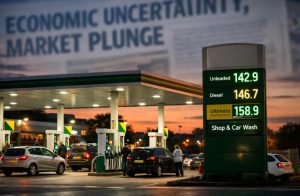
Based on current information, there is no confirmed petrol shortage in the UK. You are facing a heightened risk of rising fuel prices rather than empty pumps.
Markets are reacting to geopolitical tension and the possibility of disruption in the Strait of Hormuz. Opec+ has pledged to increase output, and shipping, although disrupted, has not ceased entirely.
A genuine shortage would require sustained and severe supply breakdown. At present, the evidence points to price pressure rather than physical scarcity.
Final Outlook for UK Drivers
In the short term, you should prepare for possible increases in petrol and diesel prices. Monitoring oil prices and official government updates will help you understand whether the situation is stabilising or deteriorating.
If tensions ease and shipping resumes normally, markets could settle. If conflict intensifies and the Strait of Hormuz remains restricted, upward price pressure will continue.
For now, the answer to whether there is going to be a petrol shortage is largely no, but vigilance is necessary. The coming weeks will determine whether disruption remains temporary or develops into something more serious.
Conclusion
Middle East tensions have undoubtedly shaken global oil markets, and you are likely to feel the impact through higher fuel costs. However, there is currently no verified petrol shortage in the UK.
Oil prices are reacting to risk and uncertainty, particularly around the Strait of Hormuz, which carries a significant share of global supply. Opec+ has moved to increase output, and the UK’s supply system remains operational.
While the situation is fluid and requires close monitoring, the most immediate effect on you is expected to be rising pump prices rather than empty forecourts. Staying informed and avoiding panic buying will help prevent unnecessary disruption.
FAQs
Could supermarkets run out of petrol before independent forecourts?
Yes, supermarkets can run dry faster because they often attract higher volumes of drivers during periods of concern. Independent stations may sometimes retain supply slightly longer due to lower demand.
How long could UK fuel reserves last?
The UK holds strategic reserves designed to cushion short term disruption. Exact figures are not publicly detailed in real time, but they are intended to cover weeks rather than days.
Does the UK rely more on diesel imports than petrol?
The UK has historically imported more diesel than petrol due to refinery configurations. That can make diesel prices slightly more sensitive to global supply changes.
Would fuel rationing be introduced?
Fuel rationing would only be considered in an extreme and prolonged supply crisis. There is currently no indication that such measures are being planned.
How quickly do oil price rises affect pump prices?
Wholesale changes can filter through to pumps within days or a couple of weeks. The speed depends on retailer stock levels and supply contracts.
Are electric vehicle drivers affected by oil price spikes?
Electric vehicle drivers are less directly affected by oil prices. However, broader energy market volatility can still influence electricity costs.
What signs would indicate a real fuel crisis is developing?
Widespread reports of forecourts running dry, official government emergency announcements, and sustained shipping blockades would signal deeper problems.

Blogger | Business Writer | Sharing startup advice on UK business blogs
Related Articles in Business News
View All →
Chick-fil-A Franchise Cost in 2026: UK Investment, Fees, Profits and Requirements
The Chick-fil-A franchise cost in the UK is approximately £10,000, making it an unusually accessible entry point into the international fast-food franchise market. In the United States, the…
Shell Petrol Station Franchise Cost in the UK: Real Investment, Income and Process
If you are searching for the Shell petrol pump franchise cost in the UK, the first thing to understand is that Shell does not currently advertise its UK…
Cardzone UK Store Closures: Full List and Latest 2026 Update
Cardzone UK store closures are continuing in 2026, with several branches already gone from high streets and further shops now preparing to shut. The latest confirmed closures include…