

In 2026, the average self-employed gardener hourly rate in the UK is between £25 and £40 per hour, although many experienced gardeners now charge £35–£45+ depending on their location and services.
If you work in London or the South East, you may be able to charge more, while newer gardeners outside major cities often begin closer to £25 per hour.
Before setting your rate, you need to consider:
- Your experience and qualifications
- Your local area and demand
- The type of gardening work you offer
- Insurance, tools, fuel and travel costs
- Whether you charge hourly or by the job
The right price should cover your business costs while still making you competitive and profitable.
How Much Does a Self-Employed Gardener Charge Per Hour in the UK in 2026?
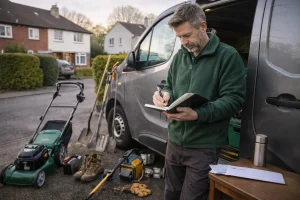
The typical self-employed gardener hourly rate UK businesses charge in 2026 sits at around £30–£35 per hour for standard maintenance work such as mowing lawns, weeding, pruning and hedge trimming.
Less experienced gardeners or those starting a new business often charge between £20 and £28 per hour to build a client base.
By contrast, experienced gardeners with more than ten years of trading history frequently charge £45 per hour or more.
Most gardeners also work to a day rate. A day rate is often easier to apply for larger jobs and usually works out cheaper for the customer.
| Experience Level | Average Hourly Rate | Average Day Rate |
| Beginner gardener (up to 4 years) | £25–£28 | £190–£210 |
| Experienced gardener (4–10 years) | £32–£36 | £240–£275 |
| Specialist or 10+ years experience | £42–£47 | £320–£345 |
According to the Professional Gardeners’ Guild, the average target rate for a gardener with more than ten years of experience in 2026 is £46.70 per hour.
“What a gardener charges is not what a gardener earns. The rate must cover equipment, insurance, training and time spent travelling between jobs,” says a spokesperson from the Professional Gardeners’ Guild.
What Should You Charge as a Beginner, Experienced or Specialist Gardener?
Your rate should increase as your experience, confidence and demand grow. A gardener who can work quickly, diagnose plant problems and use specialist machinery has far more value than somebody offering only basic maintenance.
Gardener Rates by Experience Level
If you are new to self-employment, charging around £25–£28 per hour is usually enough to win work without underpricing yourself. Once you have regular customers and a good reputation, most gardeners increase their rate to £32–£36 per hour.
Gardeners with more than ten years of experience, specialist pruning knowledge or horticultural qualifications commonly charge between £42 and £50 per hour.
Many gardeners make the mistake of keeping the same rate for years. However, fuel, insurance and tool costs have all risen sharply in recent years. If your prices have not changed since 2023 or 2024, you may already be undercharging.
Should You Charge More If You Have Qualifications or Specialist Skills?
You should charge more if you hold qualifications in horticulture, arboriculture or pesticide use, or if you offer services that require specialist knowledge.
You may be able to add £5–£15 per hour if you provide:
- Fruit tree pruning
- Garden design advice
- Lawn treatment programmes
- Tree work requiring specialist tools
- Planting plans and seasonal border maintenance
“Customers are increasingly willing to pay more for gardeners who can solve problems, not just cut grass,” explains Lucy Farrington-Smith, UK trades writer and gardening industry researcher.
Why Are Gardener Hourly Rates Higher in London and the South East?
Location has a huge impact on what you should charge. Gardeners in London and the South East often charge £35–£50 per hour because fuel, parking, insurance and living costs are significantly higher.
Outside these areas, average rates are usually lower. In the Midlands, North and many rural locations, self-employed gardeners generally charge between £25 and £35 per hour.
| UK Region | Typical Hourly Rate in 2026 |
| London | £40–£50+ |
| South East | £35–£45 |
| South West | £30–£38 |
| Midlands | £28–£35 |
| North of England | £25–£34 |
| Scotland and Wales | £25–£35 |
However, local demand matters more than postcode alone. A gardener in an affluent village with very little competition may charge more than a gardener in a large city with dozens of rivals.
You should also consider travel time. If you spend 30 minutes driving to a one-hour job, your real hourly income is much lower. Many gardeners solve this by setting a minimum charge.
A common minimum call-out fee in 2026 is between £40 and £60.
What Costs Should You Include Before Setting Your Gardening Rate?

Many new gardeners choose their price simply by looking at what others charge. That can be a mistake because every gardening business has different overheads.
On average, around 23% of a gardener’s turnover is spent on running costs. These costs include insurance, van expenses, accounting, tools and replacement equipment.
Business Costs That Affect Your Gardening Rate
Before deciding what to charge, make sure your rate covers:
- Public liability insurance
- Fuel, vehicle maintenance and parking
- Tools and replacement parts
- Protective clothing and PPE
- Waste removal and licences
- Bookkeeping and accountancy
- Advertising and website costs
- Non-billable time spent quoting and travelling
For example, if your annual costs are £7,000 and you expect to work 1,000 chargeable hours per year, you already need to add £7 per hour before paying yourself a wage.
Why Seasonal Demand Changes Your Price?
Gardening work is rarely consistent all year. During winter, many self-employed gardeners see their income fall by more than 30% because of bad weather and shorter daylight hours.
That means your spring and summer rates need to cover quieter months too. Many gardeners therefore charge more between March and September, when demand is at its highest.
“The busiest gardeners often earn most of their yearly income in the growing season, so their rates naturally rise when demand is strongest,” notes a representative from MyJobQuote.
Should You Charge by the Hour or Give a Fixed Quote for Gardening Jobs?
Hourly pricing works well when you are unsure how long a job will take. Fixed pricing works better when the task is clear and repeatable.
When Hourly Pricing Works Best?
Charging by the hour is usually the best option for:
- Regular garden maintenance
- Weeding and border work
- Ongoing pruning
- Small jobs where the time varies
Customers often prefer hourly rates because they know they only pay for the time you spend working.
Fixed Pricing for Garden Maintenance and Clearance
For larger or more predictable jobs, fixed pricing can protect your profit. Garden clearance, hedge reductions and regular lawn care often take less time once you become efficient.
If you continue charging by the hour, you may end up earning less despite working faster.
A fixed quote is usually the better option for:
- Garden clearances
- Hedge cutting
- Seasonal tidy-ups
- Lawn mowing contracts
- One-off maintenance visits
For example, if you know a hedge takes two hours and you want to earn £35 per hour, you could simply quote £70. If you finish in 90 minutes, you still receive the same amount.
How Much Can You Charge for Different Types of Gardening Work?

Different gardening tasks justify different rates. Basic lawn mowing generally costs less than specialist pruning or garden clearance because it requires less skill and lower insurance risk.
| Gardening Job | Typical Hourly or Fixed Rate |
| General garden maintenance | £25–£35 per hour |
| Lawn mowing | £15–£30 per hour |
| Hedge trimming | £20–£40 per hour |
| Pruning and planting | £30–£45 per hour |
| Garden clearance | £30–£50 per hour |
| Seasonal tidy-up | £80–£180 per visit |
| Specialist pruning or tree work | £45–£60+ per hour |
Midway through 2025, I spoke to a self-employed gardener from Kent who had been charging £25 per hour for nearly four years. After reviewing his expenses, he realised he was barely covering his costs.
He told me, “Once I worked out what I was spending on petrol, tools and insurance, I increased my rate to £34 an hour. I expected to lose customers, but most stayed because they valued reliable work.”
That example highlights why many gardeners undercharge for years without realising it.
How Much Do Self-Employed Gardeners Actually Earn After Expenses?
A self-employed gardener charging £35 per hour may appear to earn a strong income, but the reality is different once expenses are removed.
If you charge £35 per hour and work around 1,400 chargeable hours per year, your turnover would be £49,000. After deducting roughly 23% for business costs, your actual pre-tax income may be closer to £37,000–£38,000.
Winter can reduce that figure even further. Some gardeners lose up to 36% of their income between November and February because they have fewer working hours.
That is why your hourly rate should never be based purely on what you want to earn personally. It must also support the long-term sustainability of your business.
How Can You Increase Your Gardener Hourly Rate Without Losing Customers?
The best way to raise your prices is to make your service more valuable rather than simply more expensive.
You can often increase your rate by £5–£10 per hour if you improve your reputation, gain qualifications or specialise in higher-value work. Customers are usually happy to pay more if you are reliable, knowledgeable and leave the garden looking noticeably better.
Useful ways to increase your gardening rate include:
- Offering specialist services such as pruning or lawn care
- Building long-term contracts with regular customers
- Improving your website and reviews
- Using better tools to work more efficiently
- Increasing prices gradually each year
A small annual increase often works better than a sudden large rise. If you currently charge £30 per hour, increasing to £32 or £33 next year is unlikely to cause problems.
What Is the Best Self-Employed Gardener Hourly Rate to Charge in 2026?

For most self-employed gardeners in the UK, a realistic and profitable rate in 2026 is between £30 and £40 per hour. If you are just starting out, £25–£28 per hour is reasonable. If you are experienced or based in London, you should aim closer to £40–£50 per hour.
The best rate is one that reflects your experience, covers your costs and still allows you to make a profit. If you are busy, fully booked and consistently delivering good results, that is often a sign that you can charge more.
Conclusion
In 2026, the right self-employed gardener hourly rate in the UK depends on your experience, location and running costs.
Most gardeners should aim to charge between £30 and £40 per hour, while beginners may start lower and specialists can charge considerably more.
Always price to cover your expenses, not just your time. If you are regularly booked, receiving repeat work and delivering strong results, it is probably time to raise your rates.
FAQs About Self-Employed Gardener Hourly Rate
How much should you charge for a one-off gardening job?
For one-off jobs, most self-employed gardeners charge more than their regular hourly rate because there is extra travel and no guarantee of repeat work. A minimum charge of £40–£60 is common.
Do gardeners usually include waste removal in their prices?
Not always. Many gardeners charge separately for waste removal because disposal costs, licences and travel can significantly increase the total cost.
What is a fair minimum call-out charge for a self-employed gardener?
A fair minimum call-out charge in 2026 is usually between £40 and £60, depending on your area and travel time.
Can you earn more as a gardener by charging a day rate instead of an hourly rate?
Yes. A day rate often improves your earnings because it guarantees a fixed amount for larger jobs and avoids losing money if you work efficiently.
How often should a self-employed gardener review their prices?
You should review your prices every 12 months or sooner if fuel, insurance or tool costs increase significantly.
Is it worth lowering your rates to win regular customers?
Sometimes. Offering a slightly lower rate to customers who provide regular year-round work can help you maintain a steady income.
What is the busiest time of year for self-employed gardeners?
The busiest period is usually from March to September, when gardens need more mowing, pruning and maintenance.

Startup mentor & Blogger | Sharing leadership tips for UK business owners