
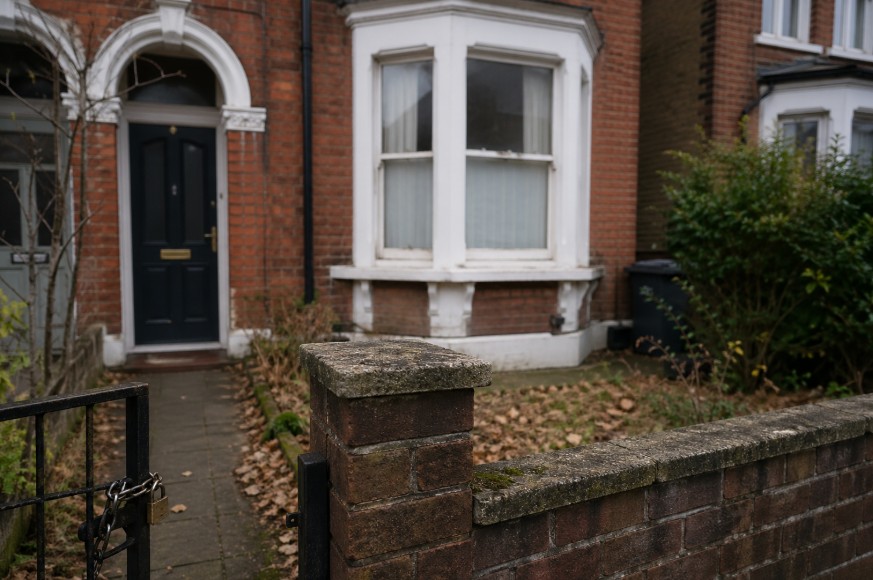
Most landlords will face a gap between tenancies at some point. It might be because you’re doing renovations, or perhaps you’re just waiting for the right tenant to sign the paperwork.
While a few-weeks’ gap is normal, many people don’t realise that their standard policy starts to change after a property has been vacant for a certain amount of time.
Read on as we walk you through it so you know exactly how to protect your investment during a void period.
What Insurance Do You Need for Unoccupied Rental Property to Stay Fully Protected?
Why Standard Policies Change After a While?

Standard landlord insurance is designed for when people are actually living in the house. Once a property has been empty for more than 30 or 60 days (depending on your specific policy), most insurers will reduce the level of cover significantly.
This is because a vacant building is statistically much more likely to suffer from damage that goes unnoticed. If no one is there to spot a small drip, it can quickly turn into a flood that ruins the floors and ceilings.
When the vacancy limit is reached, many policies will drop down to FLEE cover only. This stands for fire, lightning, explosion, and earthquake. It means you won’t be covered for common issues like theft, vandalism, or water damage from burst pipes. If you’re planning for a long void period, you’ll need to check your policy documents to see when these restrictions kick in.
Common Risks for Empty Rental Properties
Empty houses are magnets for trouble because there’s nobody there to act as a deterrent. If a window is broken or a lock is forced, it could be days or weeks before you notice the security breach. To make sure you’re fully protected, you’ll need tailored unoccupied home insurance which is specifically designed for these longer gaps.
This type of cover will give you peace of mind that the structure of the building is still insured against the risks that standard policies usually exclude.
Vandalism is another major concern for landlords with empty properties. Graffiti or smashed windows can be expensive to fix, and if the property looks neglected, it’s more likely to attract further trouble.
You will find that specialised cover often includes protection against these types of malicious damage, which is something standard landlord insurance will likely stop covering after the initial 30-day window.
Managing the Risk of Water Damage

Water damage is perhaps the biggest headache for any property owner. In an occupied home, a leak under the sink is usually spotted within hours.
In an empty rental, that same leak can run for weeks, causing structural damage and mould growth. If a pipe bursts during a cold snap in January and the heating is turned off, the repair bill will likely be huge.
There are a few practical steps you can take to lower the risk of water damage while you’re waiting for new tenants:
- Drain the water system entirely if the house will be empty throughout the winter months.
- Keep the heating on at a low “frost protection” level to stop pipes from freezing.
- Turn off the water at the stopcock so no new water can enter the system if a leak starts.
- Visit the property at least once a week to check for any signs of damp or drips.
How to Stay Compliant with Your Policy?
Even with the right insurance cover, your insurer will usually have specific requirements that you must meet to keep the policy valid. They don’t just want you to pay the premium; they want you to actively manage the risk of the property being empty. If you don’t follow these rules, they might reject a claim if something goes wrong.
You will often need to prove that you’ve been visiting the property regularly. It’s a good idea to keep a logbook of every time you or a letting agent goes inside.
Most insurers will also require you to ensure all windows and doors are fitted with approved locks. If you’re doing renovations, you’ll need to tell them, as building work can change the risk profile of the property.
In Summary
Navigating a void period is part of being a landlord, but it shouldn’t leave your investment at risk. You will need to be proactive about checking your current cover and switching to a specialised policy if the property will be empty for more than a month. It’s much better to have the right protection in place than to find out you’re not covered after a pipe has already burst.
Make sure you read the fine print regarding security and maintenance requirements. Keeping the garden tidy and the post cleared away will help the house look occupied, which can prevent many of the issues associated with vacant buildings.
By taking these steps, you’ll ensure that your rental is ready and in good condition for when your next tenants are ready to move in.

Expert Blogger | Strategic thinker anticipating future directions for UK business