
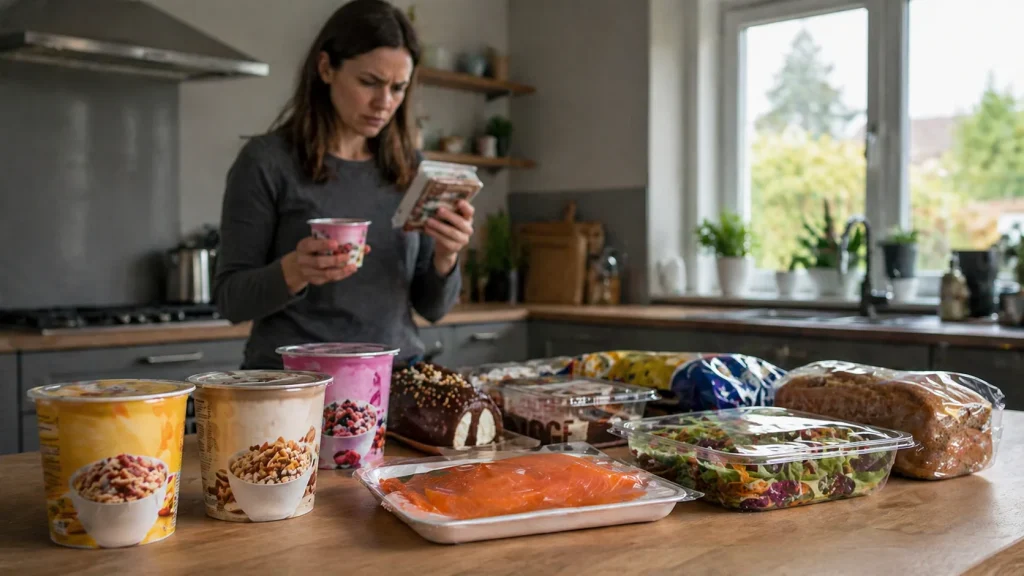
Recent Aldi, Tesco, and Morrisons food alerts have raised an important question for UK shoppers: are everyday groceries still safe to consume?
The short answer is yes, but with caution. While the vast majority of supermarket products remain safe, several items have been recalled due to contamination risks, undeclared allergens, and labelling errors.
These alerts are issued as precautionary measures by the Food Standards Agency (FSA) to protect public health and ensure transparency across the food industry.
Key takeaways:
- Multiple supermarkets have issued recent “do not eat” warnings
- Risks involve contamination, allergens, and incorrect expiry dates
- Affected products should be returned for a full refund
- Official guidance from the FSA should always be followed
Staying informed and regularly checking food alerts can help protect households from avoidable health risks.
Are UK Supermarket Shoppers at Risk from Recent Food Alerts?
The growing number of Aldi, Tesco, and Morrisons food alerts has understandably caused concern. However, it’s important to view these recalls as part of a functioning food safety system rather than a sign of widespread danger.
Supermarkets in the UK operate under strict regulations, and recalls are typically issued as precautionary measures.
When a potential issue is detected, whether during production, distribution, or post-sale checks, authorities act quickly to remove risks.
An FSA spokesperson stated:
“These notices explain to customers why the product is being recalled and tell them what to do if they have bought the product.”
This proactive approach ensures that risks are identified early, often before widespread harm occurs. Still, the responsibility partly falls on consumers to stay informed and respond appropriately.
What Are Food Alerts and Why Are They Issued in the UK?
Food alerts are official warnings issued when a product may pose a health risk. These alerts fall into two main categories: product withdrawals and product recalls.
A withdrawal occurs when a product is removed from shelves before reaching most consumers. A recall, however, involves asking customers to return a product they may have already purchased.
The FSA oversees this system and issues alerts such as:
- Product Recall Information Notices
- Product Withdrawal Information Notices
- Food Alerts for Action
These alerts are triggered by various issues, including contamination, mislabelling, or manufacturing errors. The goal is not only to protect consumers but also to maintain trust in the UK food supply chain.
Why Are Aldi, Tesco and Morrisons Food Alerts Increasing Recently?
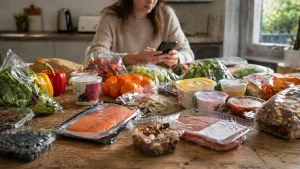
There has been a noticeable rise in food alerts linked to Aldi, Tesco, and Morrisons, driven by several key factors.
As food systems become more global and complex, the likelihood of issues such as contamination or labelling errors naturally increases.
At the same time, improvements in monitoring and safety standards mean problems are identified much faster than before.
Key reasons behind the increase
- More advanced safety testing and detection methods
- Complex supply chains involving multiple suppliers
- Stricter food safety regulations and compliance checks
- Faster reporting and recall processes
While this leads to more frequent alerts, it ultimately improves consumer safety by ensuring risks are quickly identified and addressed.
Which Aldi, Tesco and Morrisons Products Are Currently Affected?
This is where the focus sharpens on the three major supermarkets at the centre of current alerts. Recent Aldi, Tesco, and Morrisons food alerts highlight how even well-established retailers can be impacted by supply chain issues, labelling errors, and contamination risks.
Understanding exactly which products are affected helps shoppers act quickly and avoid potential health concerns.
Aldi Food Alerts – What Products Have Been Recalled?

Aldi has recalled its Fishmonger Hot Smoked Salmon Fillets – Honey Roasted due to an incorrect use-by date printed on the packaging.
This error means the product may appear safe to eat for longer than it actually is, increasing the risk of consumption beyond its safe period.
An Aldi spokesperson explained:
“As a precautionary measure, our supplier is recalling the fish because the incorrect use by date is printed on the pack.”
This type of labelling mistake may seem minor, but it can lead to serious food safety concerns if not addressed promptly. Customers are strongly advised to check dates carefully and return affected items.
Tesco Food Alerts – Which Items Are Unsafe?

Tesco has issued a recall for its Finest Summer Edition Chocolate Affogato Dessert, after it was discovered that the product may contain small pieces of plastic. This presents a physical hazard, as consuming foreign objects can cause injury.
A Tesco representative stated:
“If you have purchased the affected product, please do not eat it and instead return it to any Tesco store for a full refund.”
Such recalls demonstrate how quality control processes continue even after products reach shelves, ensuring that risks are identified and communicated quickly.
Morrisons Food Alerts – What Should Shoppers Watch For?

While Morrisons has not directly recalled a standalone branded product in this instance, it is still impacted through shared suppliers.
The recall of MOMA porridge products, which are sold across multiple supermarkets including Morrisons, has been linked to possible contamination during production.
This highlights how interconnected supermarket supply chains are, meaning a single manufacturing issue can affect several retailers at once.
Key Recalls in Aldi Tesco Morrisons Food Alerts:
| Supermarket | Product | Issue | Action |
| Aldi | Salmon Fillets | Incorrect use-by date | Return for refund |
| Tesco | Chocolate Dessert | Possible plastic contamination | Do not eat |
| Morrisons | MOMA Porridge | Possible contamination | Return product |
By staying alert to these recalls and checking affected products promptly, shoppers can reduce potential risks and ensure their household food remains safe to consume.
Which Other Supermarket Brands Are Included in UK Food Alerts?

Beyond Aldi, Tesco, and Morrisons, several other brands are involved in current food alerts, highlighting how widespread and interconnected food safety issues can be.
These recalls show that risks are not limited to one retailer but can span across multiple supply chains and manufacturers.
Brands and products affected include:
- Marks & Spencer yoghurt with undeclared gluten
- Good4U Super Sprouts with possible Salmonella contamination
- Walkers crisps with undeclared milk
- M&M’s Pipoca with undeclared allergens
Each of these cases reflects a different type of risk, from bacterial contamination to allergen mislabelling. For consumers, particularly those with dietary restrictions, staying alert to these updates is essential.
Other UK Food Recall
| Brand | Product | Risk Type | Affected Consumers |
| M&S | Greek Yoghurt | Undeclared gluten | Coeliac patients |
| Good4U | Super Sprouts | Salmonella | General public |
| Walkers | Hot Honey Crisps | Undeclared milk | Milk allergy sufferers |
| M&M’s | Pipoca | Multiple allergens | Allergy sufferers |
Overall, these alerts highlight the importance of regularly checking food safety updates, as staying informed can help consumers avoid health risks and make safer choices when shopping.
What Types of Food Safety Risks Are Being Reported?
Recent food alerts linked to Aldi, Tesco, and Morrisons highlight several safety risks affecting consumers. These issues vary in severity but can impact health if not addressed quickly.
Contamination is one of the most serious concerns. For example, Salmonella in ready-to-eat foods can cause illness, while production issues may lead to hygiene-related risks.
Allergen mislabelling is another key issue. Missing ingredient information, such as gluten or milk, can be dangerous for people with allergies or coeliac disease.
Types of Food Safety Risks:
| Risk Type | Example | Potential Impact |
| Biological contamination | Salmonella in salad | Food poisoning |
| Physical contamination | Plastic in dessert | Injury risk |
| Allergen mislabelling | Gluten in yoghurt | Severe allergic reaction |
| Labelling error | Incorrect expiry date | Consumption of unsafe food |
Staying aware of these risks and regularly checking food alerts can help consumers make safer choices and avoid potential health issues.
Who Is Most at Risk from These Food Alerts?

While food alerts apply to all consumers, certain groups are more vulnerable to the risks highlighted in Aldi, Tesco, and Morrisons food alerts.
Individuals with allergies or intolerances are particularly at risk, as even trace amounts of undeclared ingredients can trigger severe or life-threatening reactions.
Children and elderly individuals may also be more susceptible to foodborne illnesses due to weaker immune systems. Additionally, those with underlying health conditions may experience more severe symptoms if exposed to contaminated food.
A Food Standards Agency official noted:
“If you have bought the above product, please do not consume it and return it to the store for a full refund.”
This reinforces the importance of taking all food alerts seriously, regardless of how minor they may initially seem.
How Can You Check If Your Food Is Affected by a Recall?
Staying informed is essential when dealing with food alerts from Aldi, Tesco, and Morrisons. Consumers should regularly monitor official updates from the Food Standards Agency, along with in-store notices and supermarket websites to identify affected products quickly.
Steps to check your food:
- Visit the Food Standards Agency website for latest recalls
- Check product batch numbers and use-by dates
- Review supermarket notices and emails
- Return affected items for a refund or replacement
Real-life example:
A UK shopper shared their experience after discovering a recalled product at home. They explained:
“I checked the batch code on my porridge after seeing the alert online, and it matched. I returned it the same day and got a refund without any issues.”
This example shows how a simple check of product details, such as batch numbers and use-by dates, can help prevent potential health risks and ensure quick resolution.
What Should You Do If You Have a Recalled Product at Home?
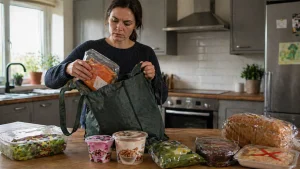
If you discover that you’ve purchased a recalled item linked to Aldi, Tesco, or Morrisons, it’s important to act quickly.
Even if the issue appears minor, such as a labelling error, the safest approach is to avoid consuming the product altogether. Treat all recalled items as potentially unsafe.
What should you do immediately?
- Do not eat or use the affected product
- Return it to the store for a full refund or replacement
- Check official recall notices for further instructions
Most supermarkets have clear return policies, and a receipt is often not required. If you have already consumed the product and feel unwell, monitor your symptoms closely and seek medical advice promptly, especially in cases involving contamination or allergens.
Are Aldi, Tesco and Morrisons Still Safe for Grocery Shopping?
Despite the rise in food alerts involving Aldi, Tesco, and Morrisons, these supermarkets remain safe and reliable for everyday shopping. In many cases, recalls actually show that safety systems are working as intended rather than failing.
These retailers follow strict UK food safety regulations and conduct regular quality checks across their supply chains. When an issue is identified, they act quickly to remove affected products and inform customers.
Such swift responses minimise risks and demonstrate accountability. Overall, the UK food supply remains secure, with issues handled transparently and efficiently to protect consumers.
How Can UK Shoppers Stay Updated on Food Alerts?

Staying informed about Aldi, Tesco, and Morrisons food alerts is essential for reducing potential risks. Fortunately, there are several reliable ways for UK shoppers to keep up to date with the latest recalls and safety notices.
The Food Standards Agency (FSA) is the primary authority, regularly publishing updates on its website. Supermarkets also display recall notices in-store and provide detailed information online, ensuring that customers are aware of any issues.
In addition, consumers can:
- Sign up for email alerts from the FSA
- Follow supermarket websites and apps
- Keep an eye on trusted news outlets
Taking a proactive approach allows shoppers to quickly identify affected products and respond appropriately. A few minutes spent checking updates can make a significant difference in avoiding potential health risks.
What Do Aldi, Tesco, and Morrisons Food Alerts Mean for the Future of Food Safety?
The rise in food alerts from Aldi, Tesco, and Morrisons reflects a shift towards greater transparency and stricter safety standards in the UK food industry.
While frequent recalls may seem concerning, they actually indicate stronger monitoring and faster reporting systems.
Advancements in technology, including improved testing methods and real-time supply chain tracking, are helping identify risks earlier. This allows issues to be contained before becoming widespread.
Looking ahead, innovations such as AI-driven inspections and enhanced quality control systems are expected to further strengthen food safety. Although recalls will still occur, they will become more targeted and effective, giving consumers greater confidence when making everyday food choices.
Conclusion
The recent wave of Aldi, Tesco, and Morrisons food alerts may seem alarming, but they ultimately highlight a system designed to protect consumers. While certain products pose risks, the overall food supply remains safe.
By staying informed, checking product details, and following official guidance, shoppers can minimise risks and continue to shop with confidence.
Frequently Asked Questions
What does a “do not eat” food warning mean?
A “do not eat” warning indicates that a product may pose a health risk and should not be consumed under any circumstances. Customers are advised to return it for a refund.
Can recalled supermarket food be returned without a receipt?
Yes, many UK supermarkets allow returns of recalled items without a receipt to prioritise customer safety.
How can shoppers find official UK food recall notices?
Shoppers can visit the Food Standards Agency website or check in-store notices for the latest updates.
Are food recalls common in UK supermarkets?
Food recalls are relatively common and reflect strict safety monitoring rather than widespread issues.
What should someone do after eating a recalled product?
They should monitor for symptoms and seek medical advice if necessary, especially if the recall involves allergens or contamination.
Why are allergens a major reason for supermarket recalls?
Undeclared allergens can cause severe or life-threatening reactions, making them one of the most critical food safety risks.
Do supermarkets contact customers directly about food alerts?
In some cases, supermarkets may notify customers through loyalty programmes or online accounts, but checking official alerts is still recommended.

Startup mentor & Blogger | Sharing leadership tips for UK business owners