
DWP £200 Pensioner Eligibility: Who Qualifies and How to Claim?

UK Startup Blog Archive
Table of Contents
The DWP £200 pensioner support payment has been confirmed for eligible state pensioners across England and Wales as part of the Winter Fuel Payment scheme for 2026.
If you were born before 27 June 1960, you could receive automatic financial support to help with heating costs during the colder months.
Most eligible pensioners will not need to apply, as payments are usually made directly into the same bank account used for State Pension or other benefits.
Key highlights:
- Eligible pensioners could receive between £100 and £300
- Most payments will arrive automatically in November or December 2026
- Pensioners aged 80 or over may receive £300
- Income above £35,000 may trigger HMRC recovery rules
- Some pensioners may still need to make a claim
Understanding the latest DWP £200 pensioner eligibility rules can help you avoid missing out on support this winter.
What Is the DWP £200 Pensioner Support Payment?
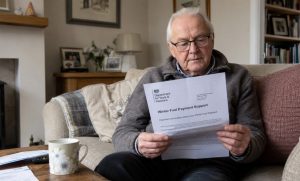
The DWP £200 pensioner support payment refers to the Winter Fuel Payment provided by the Department for Work and Pensions to eligible older people in England and Wales. The scheme is designed to reduce financial pressure during winter by helping pensioners cover heating and energy costs.
Although many reports describe it as a “£200 payment”, the actual amount varies depending on age, household arrangements and benefits received during the qualifying week in September 2026.
The payment is not a loan and does not affect your existing benefits. Most pensioners receive the money automatically without needing to contact the DWP.
“Most payments are made automatically in November or December,” a Department for Work and Pensions spokesperson confirmed. “Eligible pensioners should receive a letter explaining the amount and payment details.”
The Government continues to position the Winter Fuel Payment as part of wider support for older households facing increased energy expenses during colder weather.
Who Qualifies for the DWP £200 Winter Fuel Payment in 2026?
To qualify for the DWP £200 pensioner support payment in 2026, you must meet specific age and residency conditions during the qualifying week, which runs from 21 September to 27 September 2026.
You are generally eligible if you:
- Were born before 27 June 1960
- Live in England or Wales
- Receive qualifying benefits or State Pension
- Meet residency rules during the qualifying week
The standard £200 payment mainly applies to pensioners born between 28 September 1946 and 27 June 1960. Pensioners born before 28 September 1946 are usually entitled to the higher £300 payment.
Eligibility overview:
| Eligibility Factor | Requirement |
| Age requirement | Born before 27 June 1960 |
| Higher payment age | Born before 28 September 1946 |
| Residency | Must live in England or Wales |
| Qualifying period | 21–27 September 2026 |
| Payment type | Automatic for most pensioners |
The DWP checks eligibility based on your circumstances during the qualifying week rather than your status later in the year. This means any changes after September may not affect your entitlement for that winter.
How Much Could You Receive Through the Winter Fuel Payment Scheme?

The amount you receive through the Winter Fuel Payment scheme depends on your age, household circumstances and whether you claim means-tested benefits.
Payment Rates for Pensioners Under 80
If you were born between 28 September 1946 and 27 June 1960 and live alone, you will usually qualify for the standard £200 Winter Fuel Payment. This amount is intended to help cover rising heating and energy costs during the colder months.
However, if you live with another eligible pensioner, the payment may be divided between household members. In those cases, eligible pensioners under 80 may receive £100 each instead of the full amount individually.
Higher Payments for Pensioners Aged 80 and Over
Pensioners born before 28 September 1946 are generally entitled to a higher Winter Fuel Payment because older households are considered more vulnerable to cold weather and increased heating costs.
If you are aged 80 or over and live alone, you could receive £300. Those living with another eligible pensioner may receive a reduced shared amount depending on household circumstances and benefit claims.
“The Winter Fuel Payment remains an important source of support for older households during periods of higher energy demand,” a DWP spokesperson stated.
How Household Circumstances Affect Payment Amounts?
Living arrangements play a major role in determining payment values. Couples or shared households may receive split payments instead of the full amount.
Winter Fuel Payment amounts:
| Household Circumstances | Under 80 | Over 80 |
| Living alone | £200 | £300 |
| Living with another eligible pensioner | £100 | £150 |
| Mixed-age eligible household | £100–£200 | £200 |
| Living in a care home | £100 | £150 |
If you receive Pension Credit, Universal Credit or income-related ESA jointly with your partner, one person may receive the full household payment instead of separate amounts.
Understanding your living situation is therefore important when estimating your expected payment.
Which Benefits Help Pensioners Receive Automatic DWP Payments?
Most eligible pensioners receive Winter Fuel Payments automatically because the DWP already holds their benefit or pension information. Receiving certain benefits can simplify the process significantly.
Qualifying benefits include:
- State Pension
- Pension Credit
- Universal Credit
- Attendance Allowance
- Personal Independence Payment (PIP)
- Carer’s Allowance
- Disability Living Allowance (DLA)
- Income-related Employment and Support Allowance (ESA)
- War Pensions Scheme awards
- Industrial Injuries Disablement Benefit
- Incapacity Benefit
- Industrial Death Benefit
If you already receive one or more of these benefits, the payment is usually transferred directly into your existing bank account during November or December.
“Nine million pensioners across England and Wales are expected to benefit from Winter Fuel Payments this year,” said Pensions Minister Torsten Bell.
The DWP will normally send confirmation letters during October or November explaining how much you will receive and where the money will be paid.
Do You Need to Apply for the DWP £200 Pensioner Payment?

Most pensioners do not need to apply for the Winter Fuel Payment because it is issued automatically. However, there are some exceptions where a claim may still be necessary.
You may need to apply if:
- You have never received Winter Fuel Payment before
- You deferred your State Pension since your last payment
- You recently moved abroad and returned
- Your benefits information has changed significantly
In these situations, the DWP may not automatically identify your eligibility. Claiming promptly helps avoid delays during winter.
Claim situations and actions:
| Situation | Action Required |
| Previously received Winter Fuel Payment | No claim needed |
| First-time eligible pensioner | May need to apply |
| Deferred State Pension | Claim may be required |
| Automatic benefits recipient | Usually automatic |
If you believe you qualify but have not received any communication from the DWP by late autumn, it is advisable to check your eligibility directly through GOV.UK or contact the Winter Fuel Payment Centre.
The Government has also warned pensioners to remain cautious about scam texts and fake payment messages. Official DWP communications will never ask you to click suspicious links or provide banking passwords.
When Will the DWP Winter Fuel Payment Be Paid in 2026?
The majority of Winter Fuel Payments will be paid during November and December 2026. Most pensioners receive the pa
yment directly into the same account used for their State Pension or qualifying benefits. Letters confirming entitlement are usually sent during October or November.
These letters explain:
- The amount you will receive
- Which bank account will be used
- Expected payment timing
- What to do if your payment does not arrive
If no payment or confirmation letter arrives by 27 January 2027, the DWP advises pensioners to contact the Winter Fuel Payment Centre immediately.
The qualifying week remains one of the most important dates in the process. Your circumstances between 21 and 27 September 2026 determine how much support you can receive.
For many households, the timing of the payment is particularly important because energy costs often rise sharply during winter. Receiving support before peak heating demand can help pensioners budget more effectively.
Why Could Some Pensioners Receive Less Than £200?
Not every eligible pensioner receives the full £200 amount. Several factors can reduce the payment depending on living arrangements and benefit claims.
Shared Household Payment Rules
If you live with another person who also qualifies for the Winter Fuel Payment, the DWP may split the payment amount between both individuals. This commonly applies to couples or shared households where both residents are of State Pension age.
For example, two pensioners under the age of 80 living together may each receive £100 instead of one person receiving the full £200 amount.
The DWP uses household circumstances during the qualifying week in September to determine how payments are divided.
Care Home Eligibility Conditions
Pensioners who live in care homes may receive lower payment amounts compared to those living independently. The reduction depends on both age and the benefits being claimed during the qualifying period.
If you live in a care home and receive Pension Credit, Universal Credit or income-related Employment and Support Allowance, different entitlement rules may apply. In many cases, eligible pensioners under 80 receive £100, while those aged 80 or over receive £150.
Impact of Means-Tested Benefits
Means-tested benefits can also affect how Winter Fuel Payments are distributed within a household. Joint claims for Pension Credit, Universal Credit or income-related ESA may result in one combined payment rather than separate individual payments.
In these situations, the DWP usually pays the household amount into the bank account where the qualifying benefit is already received. This means one partner may receive the payment on behalf of both people.
Reduced payment examples:
| Circumstance | Possible Payment |
| Two eligible pensioners under 80 | £100 each |
| Care home resident under 80 | £100 |
| Care home resident over 80 | £150 |
| Joint means-tested claim | One shared payment |
These payment rules can sometimes be confusing, especially in households where pensioners are different ages or receive different benefits. Checking the latest official DWP guidance can help you understand exactly how much support your household could receive.
What Happens If Your Income Is Above £35,000?
The Winter Fuel Payment is no longer fully universal. Pensioners with taxable income above £35,000 will have the payment recovered through HMRC.
This recovery usually happens in one of two ways:
- Adjustments to your tax code
- Additional charges through Self Assessment tax returns
Although the payment may still initially arrive in your bank account, HMRC can later reclaim the amount if your annual income exceeds the threshold.
Chancellor Rachel Reeves previously stated that means-testing Winter Fuel Payments was intended to ensure “support is targeted and fair rather than going to the wealthiest households.”
This income threshold became a major political issue after earlier proposals to restrict Winter Fuel Payments more heavily. The revised £35,000 threshold now determines whether higher-income pensioners can retain the payment permanently.
If your income fluctuates or includes pension withdrawals, investments or savings income, it may be worth reviewing your taxable income position before winter.
How Can You Check If Your Winter Fuel Payment Has Been Processed?
Most pensioners can track the progress of their payment by reviewing official DWP correspondence and monitoring their bank account during late autumn.
The DWP normally provides written confirmation showing:
- Payment amount
- Payment date estimate
- Bank account destination
- Eligibility details
Checking the bank account used for your State Pension is often the quickest way to confirm whether the payment has arrived.
If you think there is a delay, you should first confirm whether:
- You met the qualifying week conditions
- Your address details are up to date
- Your bank account information has changed
- You recently altered your benefits status
The Winter Fuel Payment Centre can assist if there are unresolved issues after January 2027.
What Should You Do If You Have Not Received Your DWP Payment?

If your Winter Fuel Payment has not arrived by 27 January 2027, the DWP recommends contacting the Winter Fuel Payment Centre as soon as possible.
Delays can happen for several reasons, including incomplete records, benefit changes or unresolved eligibility checks. Pensioners who recently deferred State Pension claims or became newly eligible may experience longer processing times.
Before contacting the DWP, it helps to gather:
- National Insurance number
- State Pension details
- Benefit information
- Bank account records
- Previous Winter Fuel Payment correspondence
You should also check whether you were expected to receive an automatic payment or whether a claim was required. Some pensioners may additionally choose to opt out of the Winter Fuel Payment.
The current deadlines are:
- Online opt-out: 20 September 2026 at 11.50pm
- Phone opt-out: 18 September 2026 at 6pm
Even if you initially opt out, you may still be able to submit a claim later if your circumstances change before the final deadline.
Conclusion
The DWP £200 pensioner eligibility rules for 2026 are mainly based on age, residency, household circumstances and taxable income.
Most eligible pensioners in England and Wales born before 27 June 1960 should receive automatic Winter Fuel Payments in November or December. Payments may be £100, £150, £200 or £300 depending on personal circumstances.
Understanding the qualifying week, payment structure and HMRC recovery rules can help avoid confusion. Pensioners should keep their DWP details updated to receive the correct payment on time.
FAQs About
Can you receive the Winter Fuel Payment alongside your State Pension?
Yes, the Winter Fuel Payment is separate from your State Pension and does not reduce your pension income.
Will the DWP contact you before the payment arrives?
Most eligible pensioners receive a letter during October or November confirming payment details and eligibility.
Is the Winter Fuel Payment taxable for pensioners?
The payment itself is not taxed directly, but pensioners earning over £35,000 may have it recovered by HMRC.
Can couples both receive separate Winter Fuel Payments?
Not always. In many shared households, the payment is split between eligible pensioners.
Does moving house affect your Winter Fuel Payment eligibility?
It can. You should update your address details with the DWP to avoid payment delays.
Are pensioners in Scotland or Northern Ireland covered by the same scheme?
Scotland and Northern Ireland operate different arrangements for winter heating support, so eligibility rules may vary.
Can deferred State Pension claims delay Winter Fuel Payments?
Yes, pensioners who deferred their State Pension may need to submit a separate claim before receiving payment.

As a passionate blogger, I write about SEO, Digital Marketing, WordPress, Web Hosting, and Business-related topics. I share my experiences and insights in different niches through my blogs, helping others navigate and succeed in the digital world.
Related Articles in Finance
View All →
If I Take Home £1,600 a Month, What Is My Salary in the UK?
If an employee takes home £1,600 per month in the UK, their estimated gross salary is approximately £21,780 per year. This is equal to about £1,815 per month…

Why the Two Year Accounts Rule is Not Actually a Rule?
Ask most new business owners when they can first apply for a mortgage and the answer comes back the same way every time: two years of accounts, minimum,…

Snap-on Franchise Cost: Fees, Investment and Earnings
The Snap-on franchise cost in the UK is currently quoted at £166,597 to £168,487 for the franchise investment, with Snap-on stating that a new franchisee may need to…